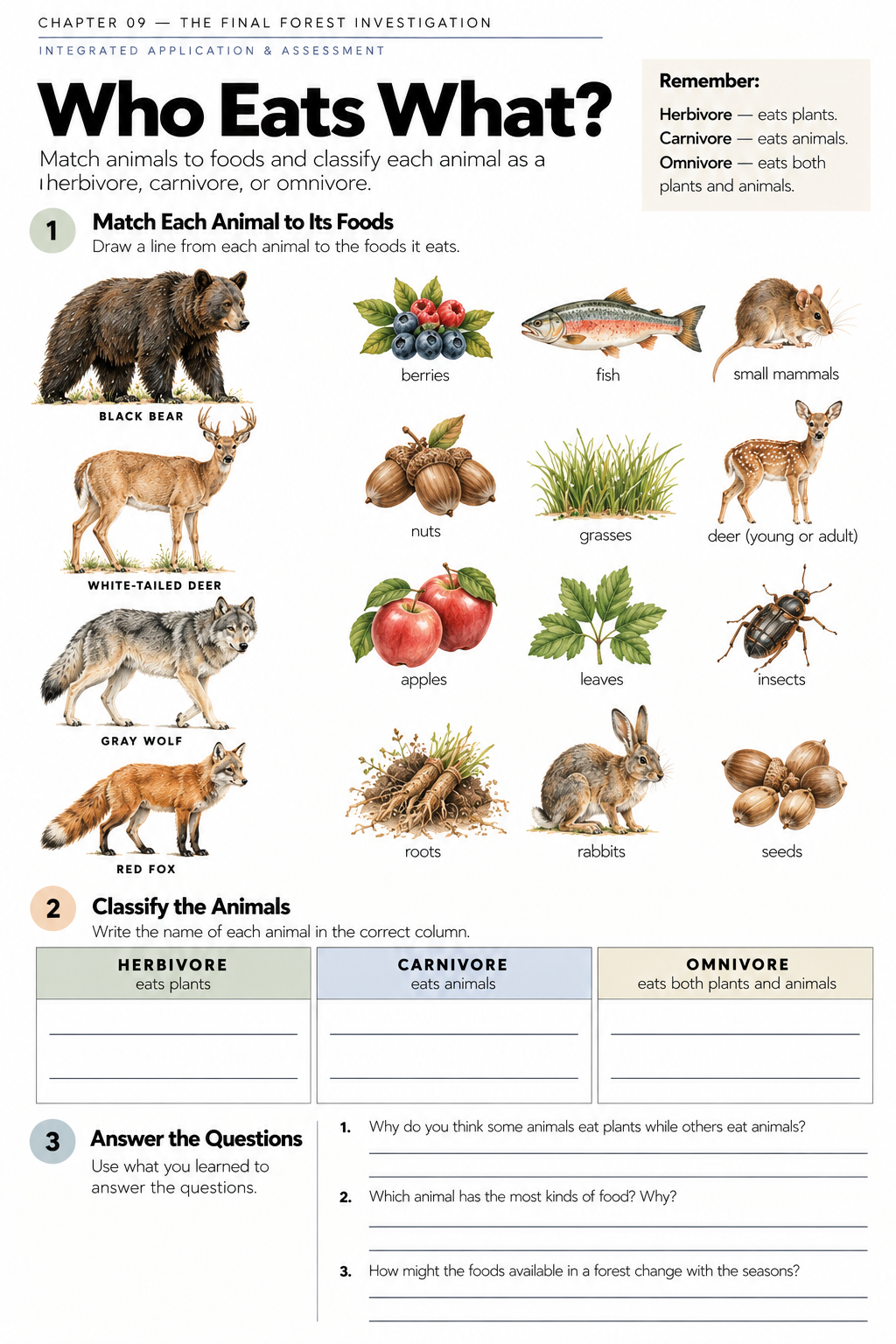
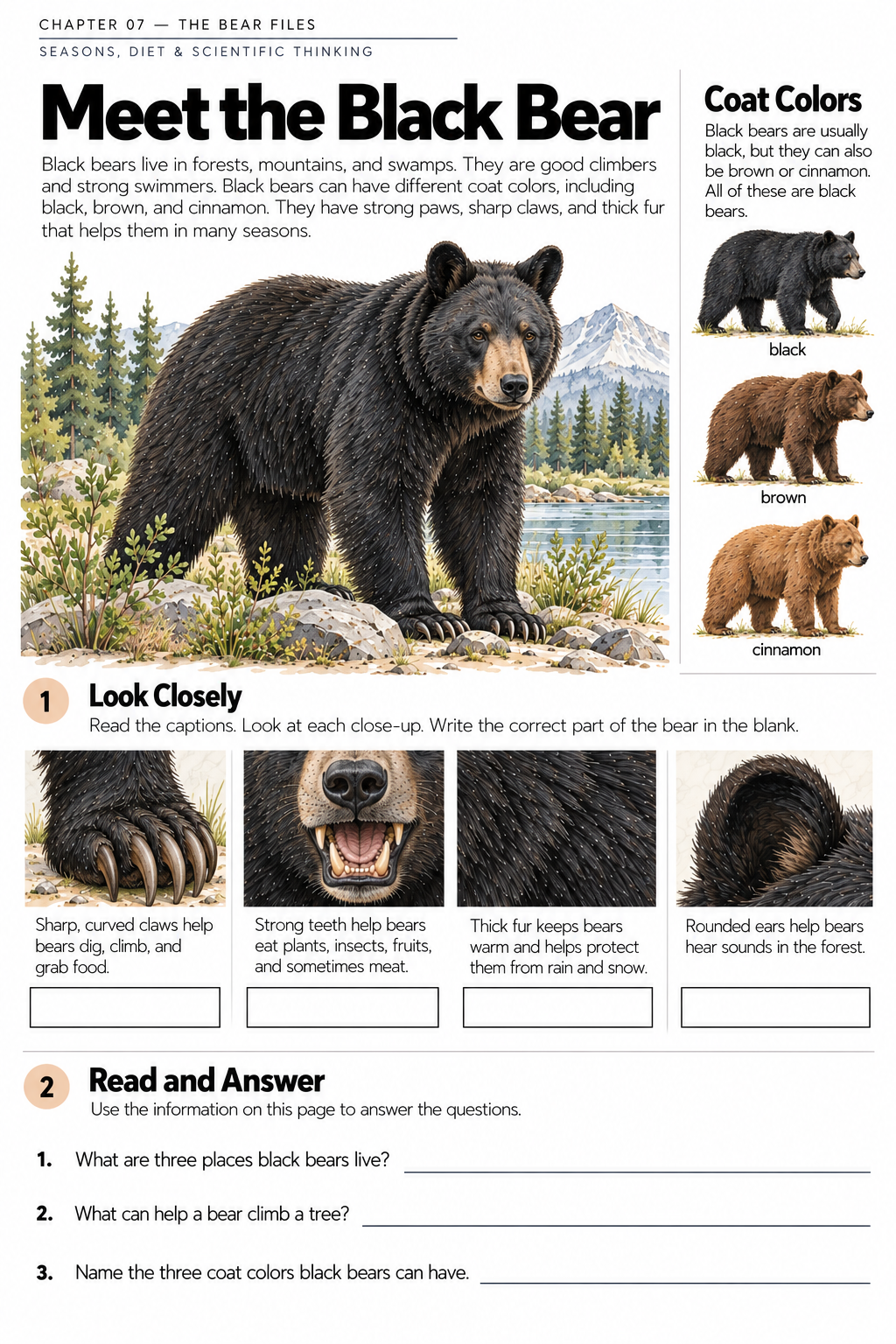
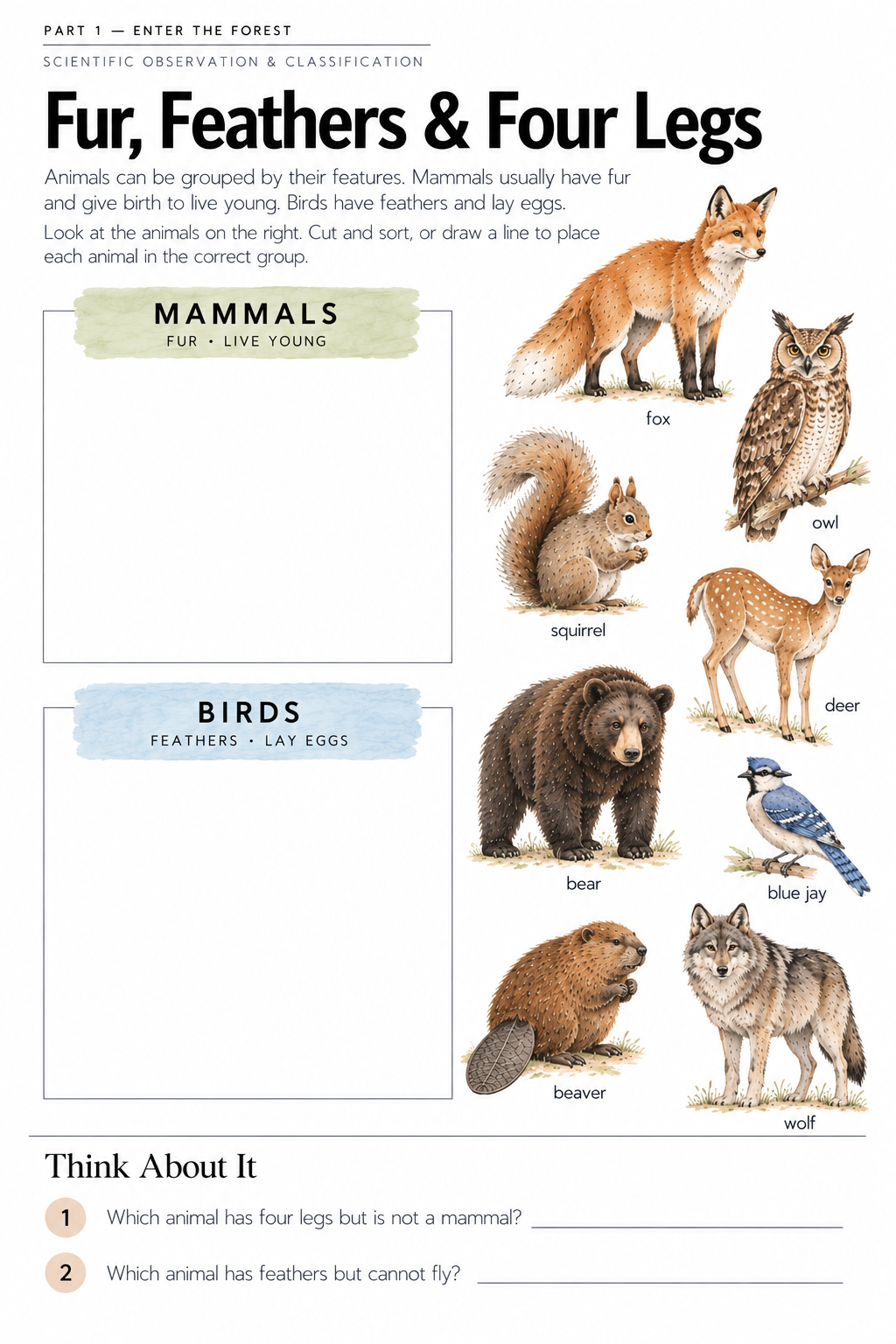
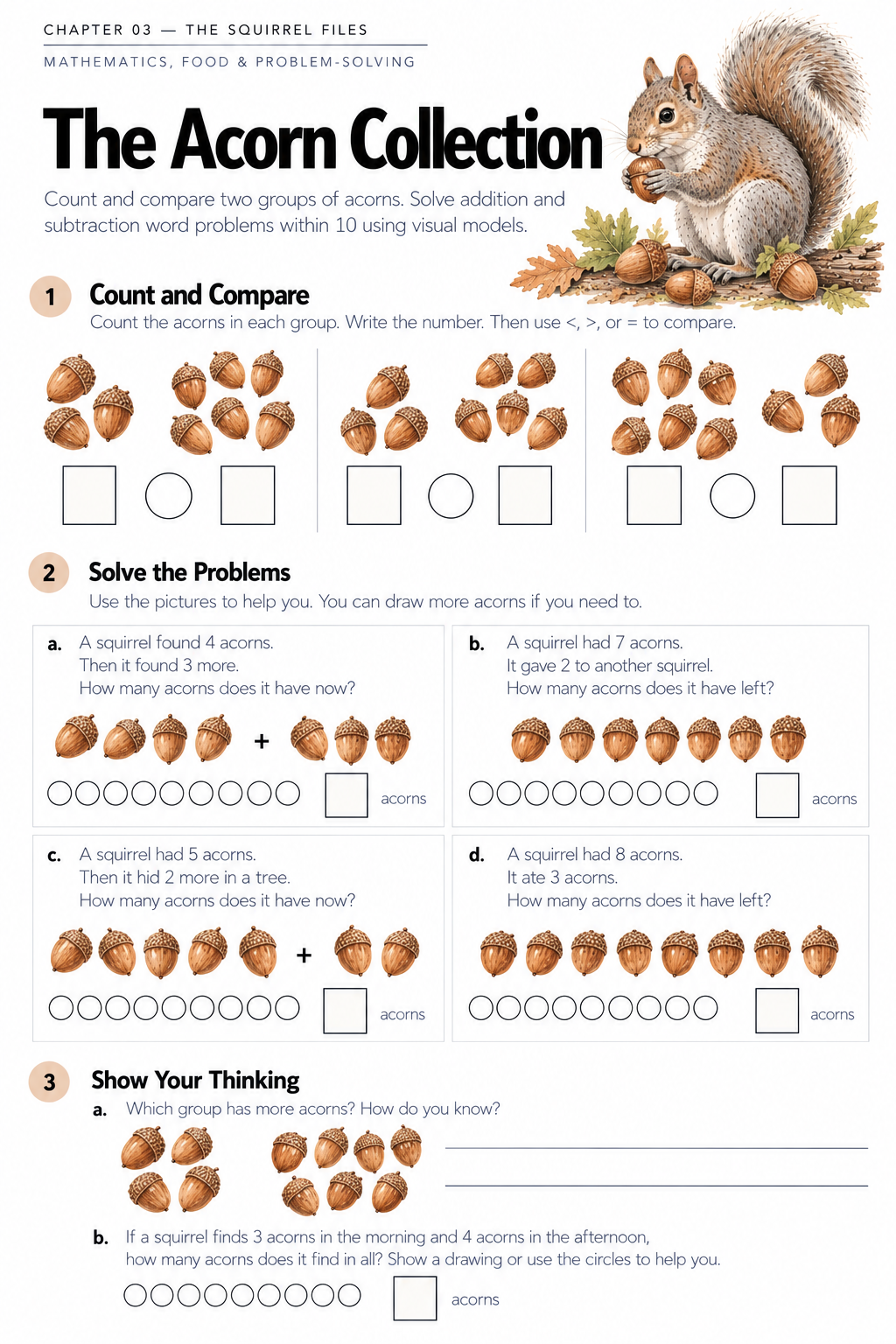
What makes a reptile a reptile? Why isn't a sea turtle an amphibian if it spends most of its life in water? And how can a snake swallow something wider than its head?
The Reptile & Amphibian Issue invites curious little minds to look closer at the extraordinary world of reptiles and amphibians.
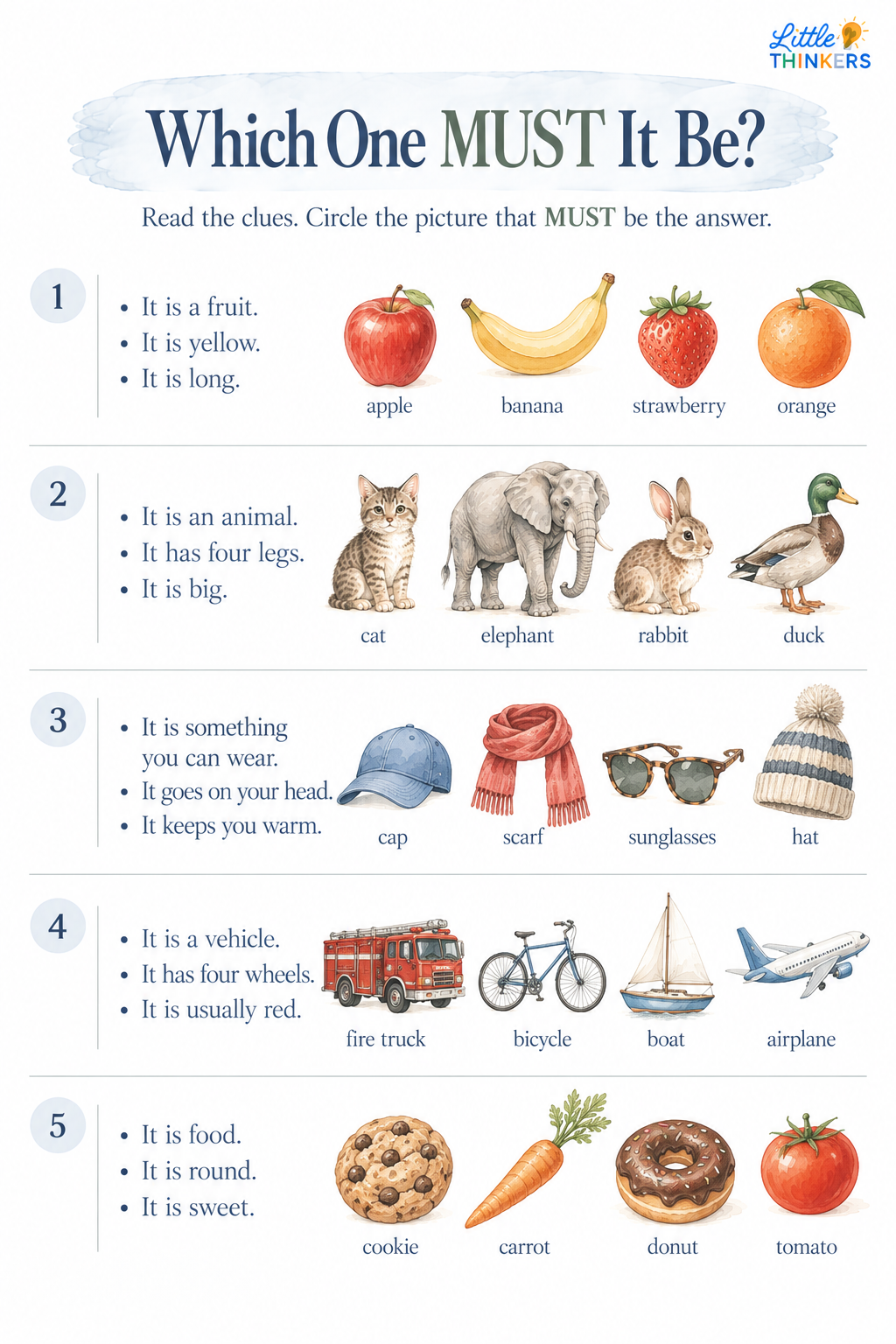
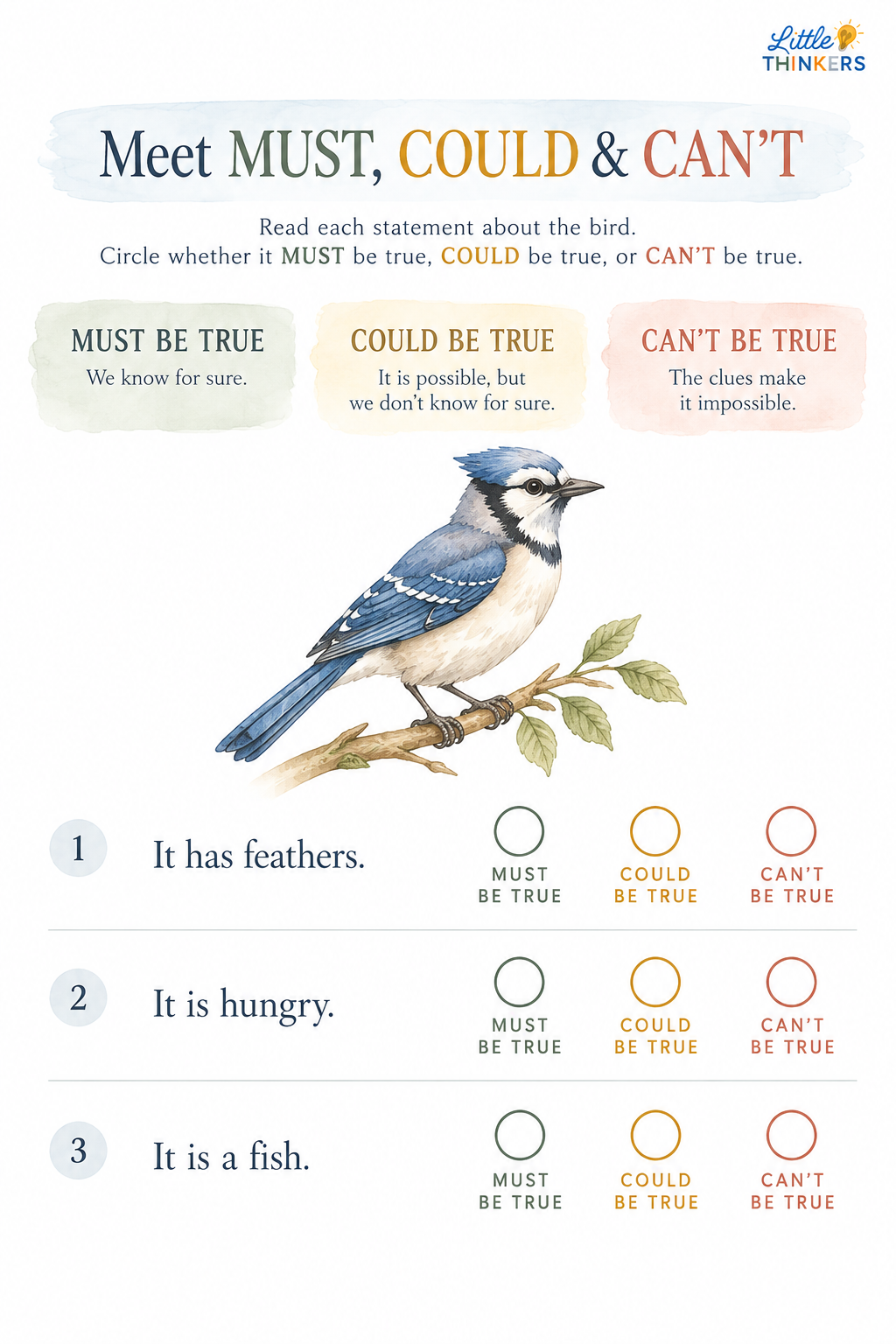
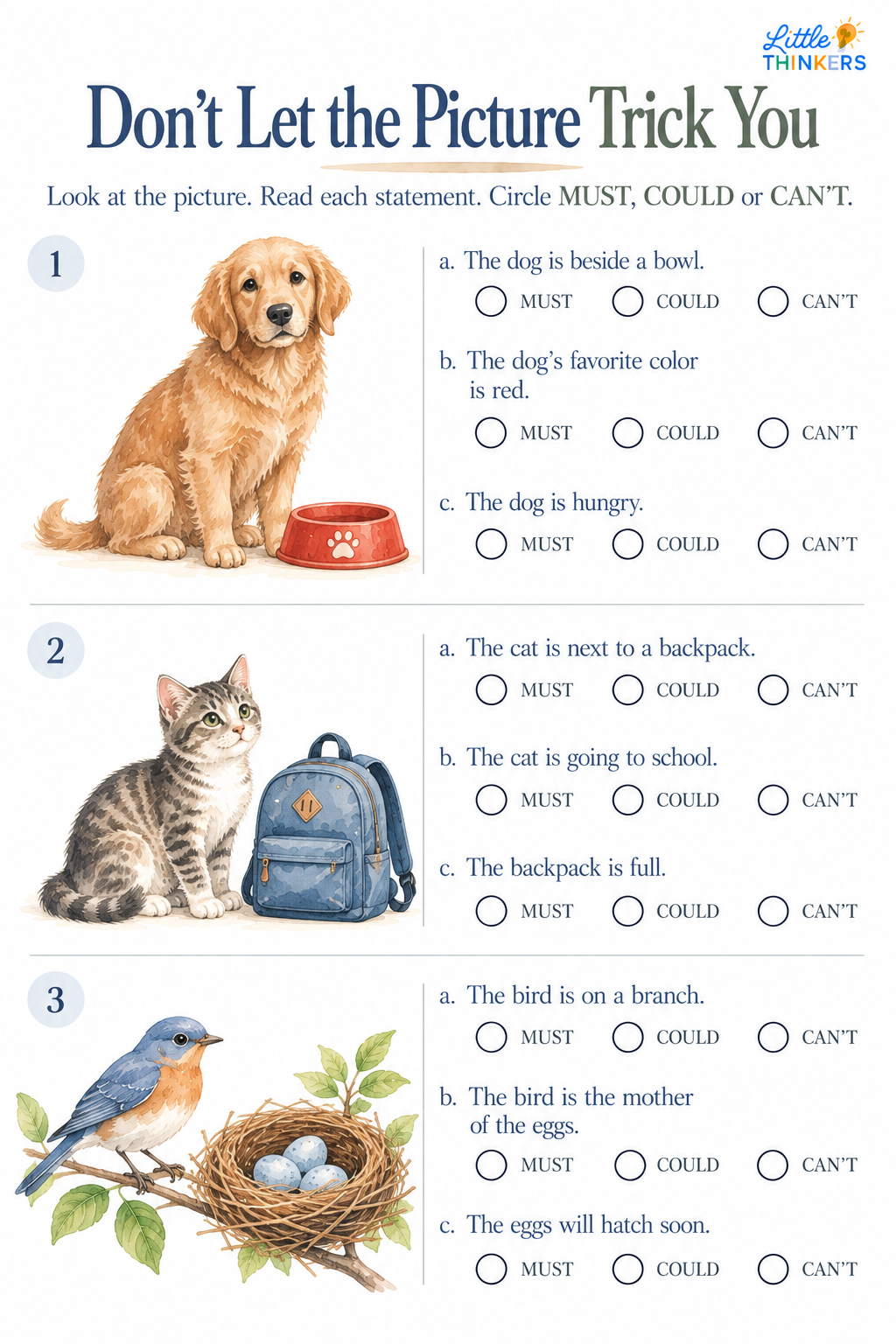
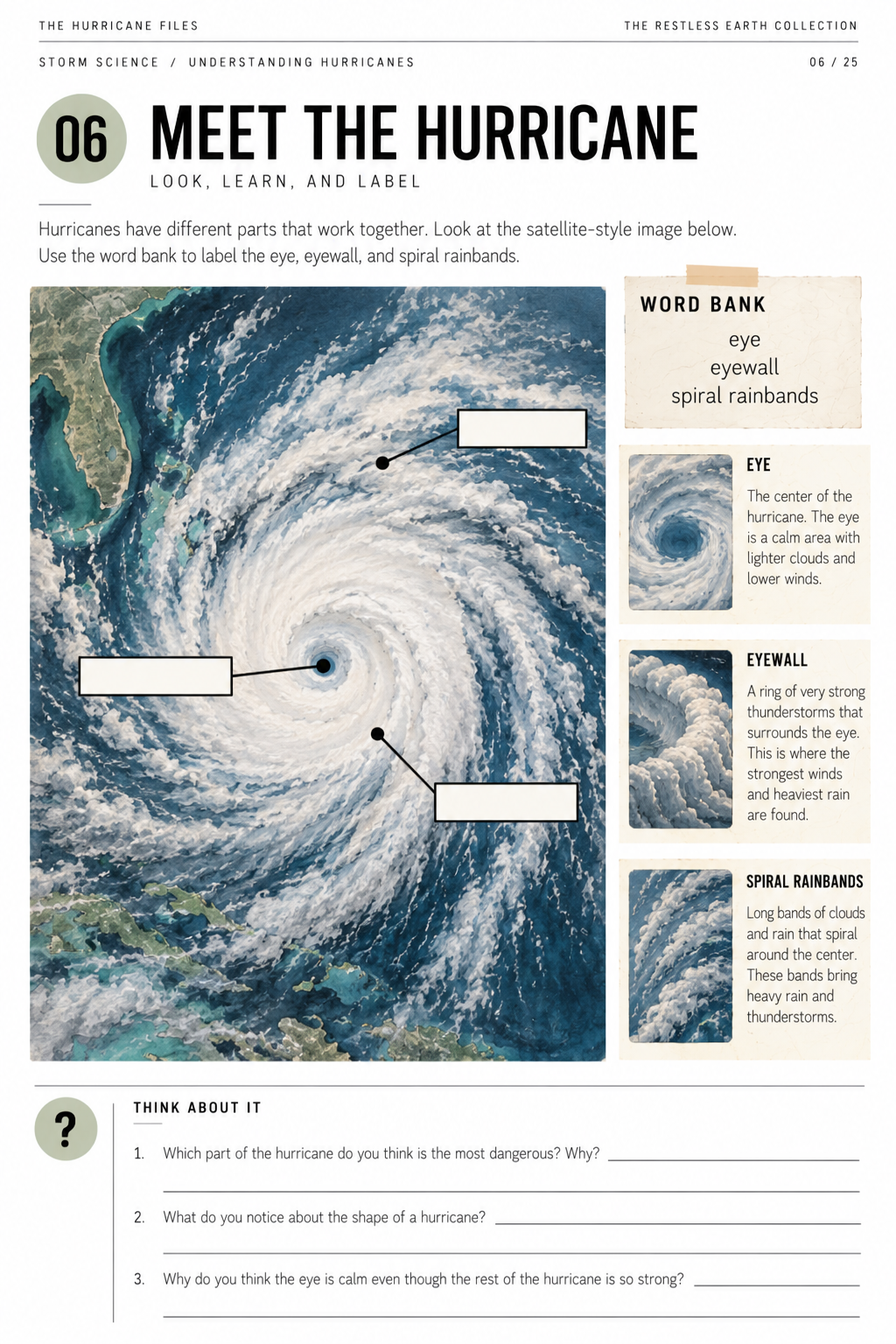
Inspired by vintage natural-history field guides and scientific illustrations, this 35+ page workbook takes a different approach to early learning. Rather than memorizing animal facts or completing repetitive exercises, children become little investigators—observing, comparing, questioning, and using clues to make discoveries of their own.
From the moist skin of a salamander to the armored body of an alligator, every activity encourages children to think about why animals look, move, and live the way they do.
Inside the Issue:
Meet the Species: Explore frogs, salamanders, lizards, snakes, turtles, sea turtles, chameleons, alligators, and crocodiles.
Look Closer: Investigate scales, skin, shells, eggs, anatomy, and animal adaptations.
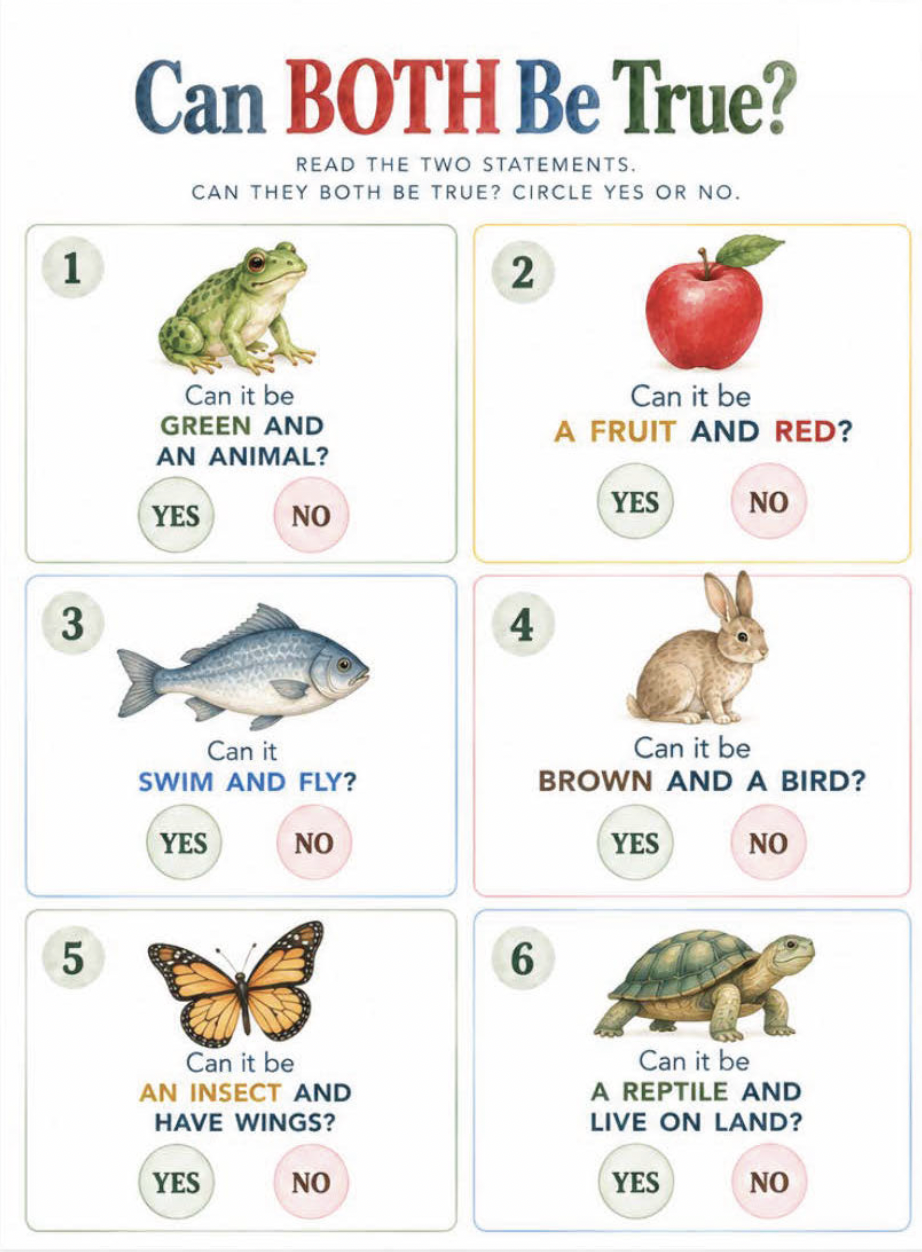
Compare & Discover: Examine the differences between salamanders and lizards, alligators and crocodiles, and reptiles and amphibians.
Science & Sequencing: Explore frog metamorphosis, animal habitats, and how reptiles use their bodies to survive.
Early Math & Patterns: Practice counting, greater than and less than, measurement, and patterns through nature-inspired activities.
Phonics & Vocabulary: Strengthen beginning sounds, descriptive language, and scientific vocabulary.
Critical Thinking Challenges: Solve specimen mysteries, examine evidence, identify mistakes, and decide whether there are enough clues to reach a conclusion.
Black and white printer friendly version at the end of the study
Designed with muted illustrations, vintage-inspired editorial layouts, and printer-friendly white backgrounds, this workbook brings together early science, literacy, mathematics, and reasoning in one thoughtful learning experience.
30+ Printable Pages • Ages 4–7 • Kindergarten & Grade 1 • Digital Download

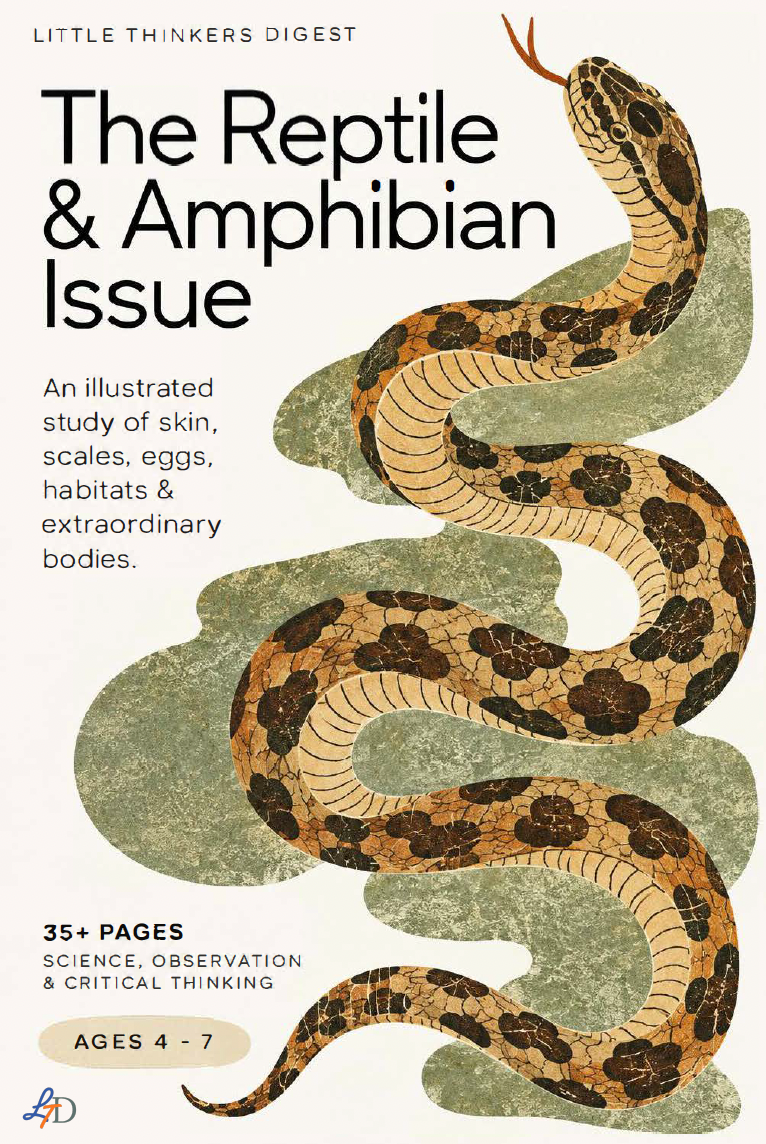 Image 1 of 8
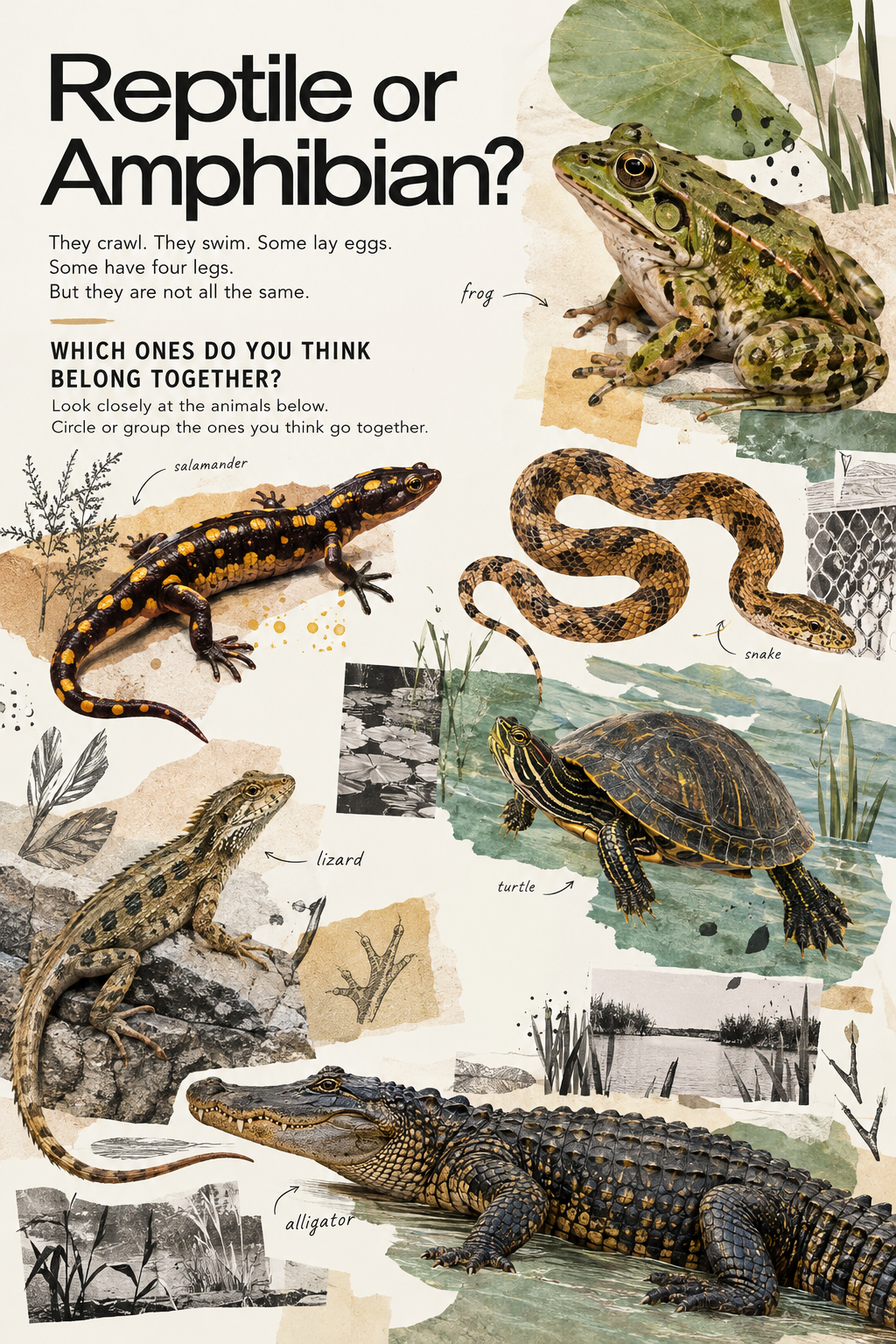 Image 2 of 8
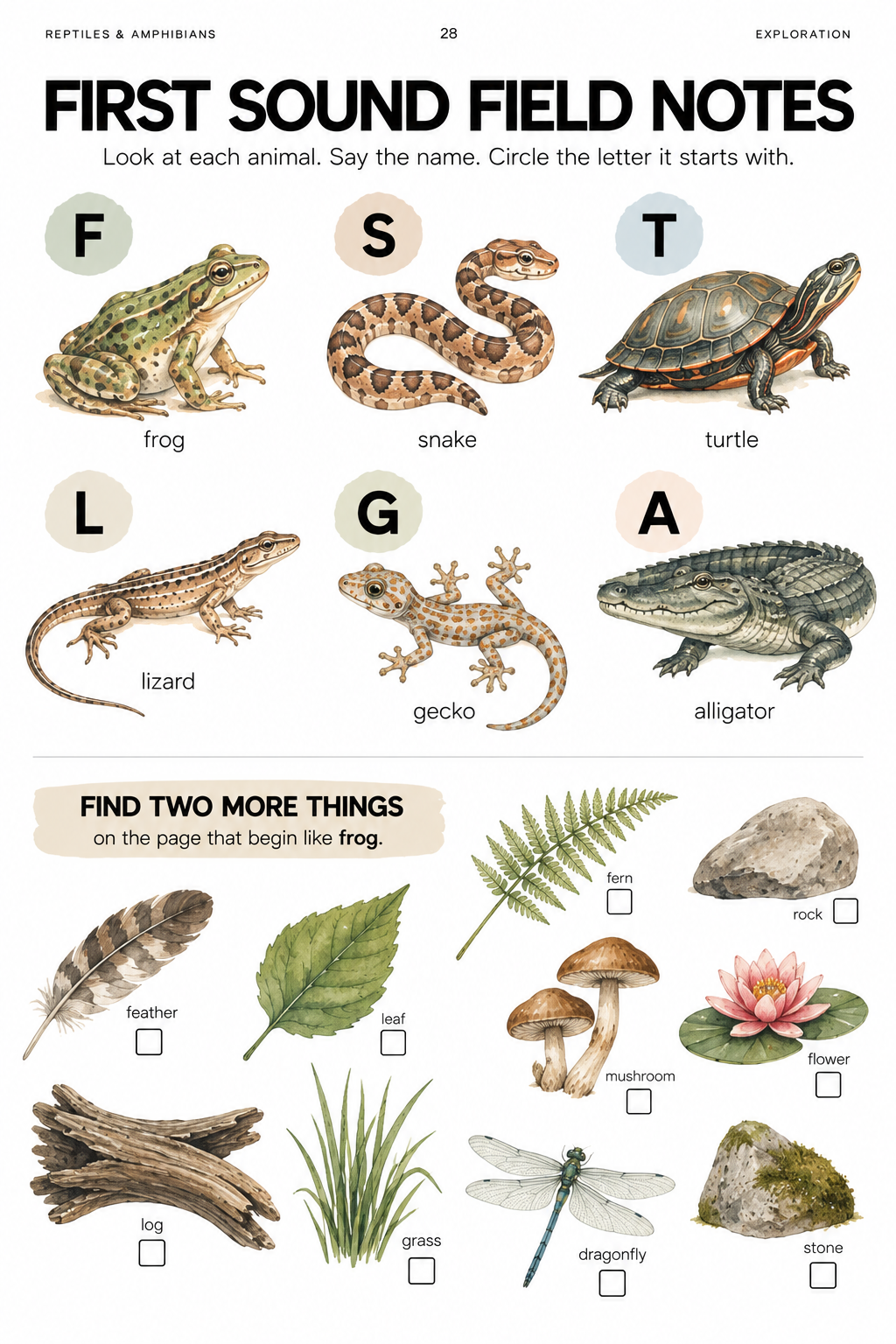 Image 3 of 8
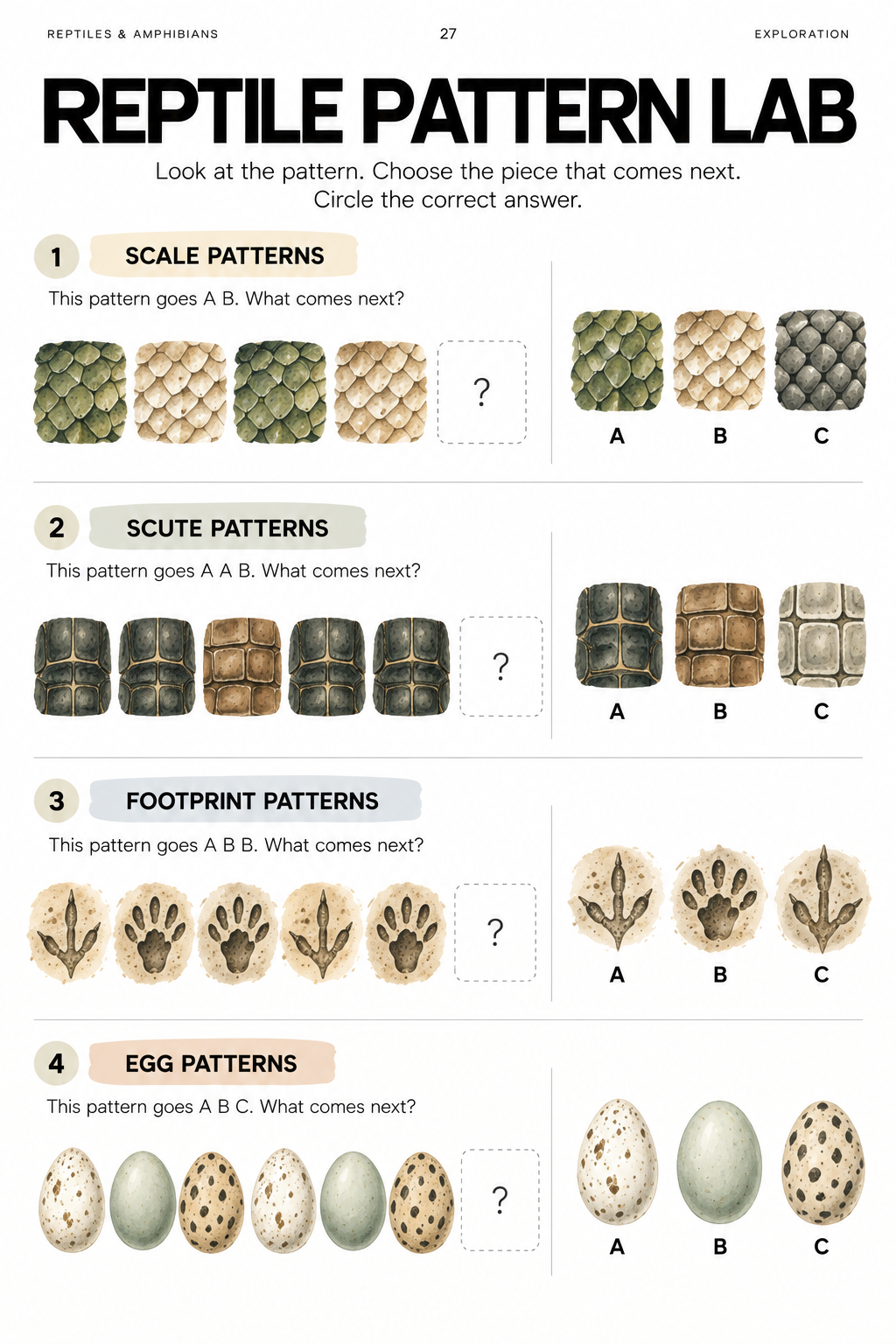 Image 4 of 8
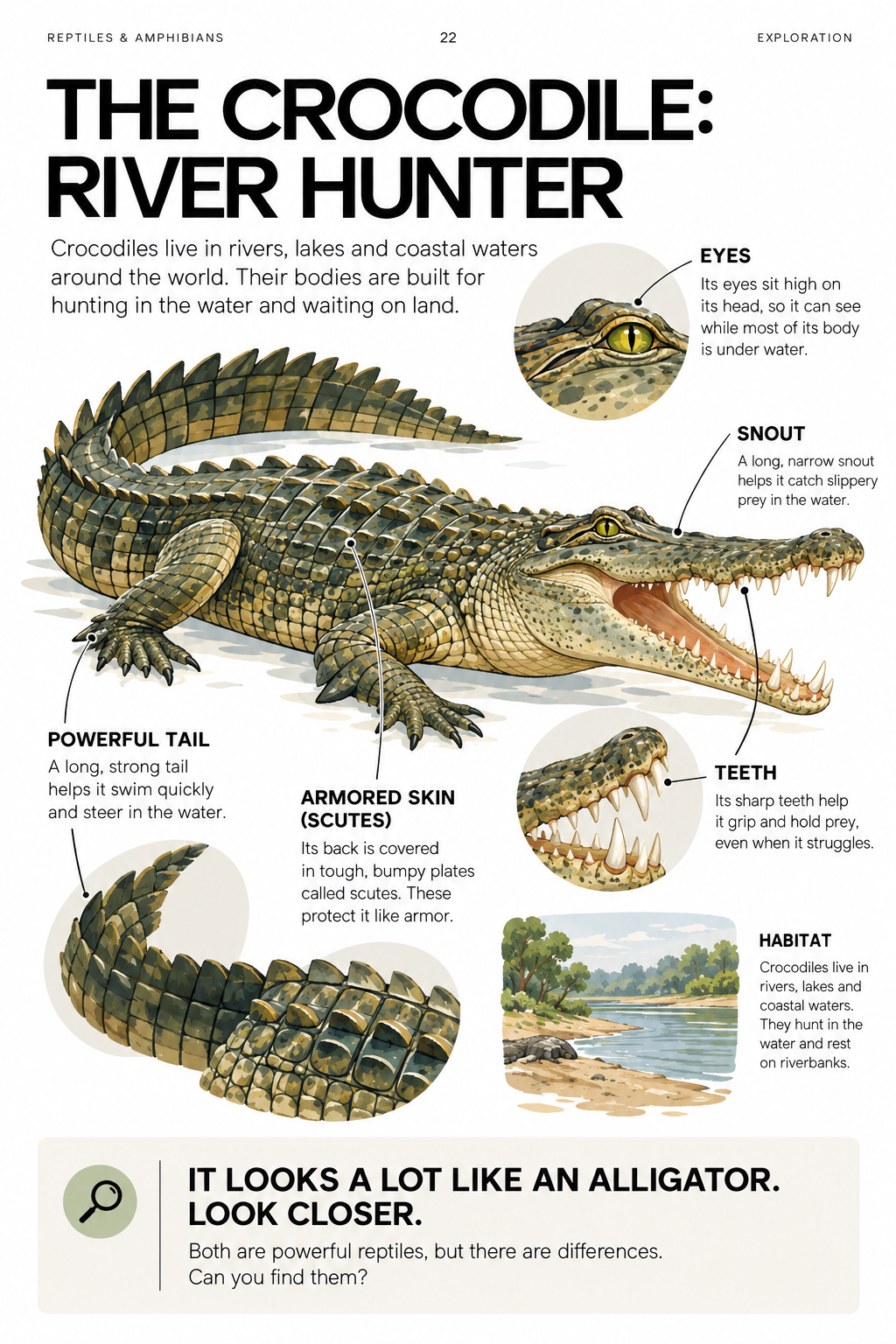 Image 5 of 8
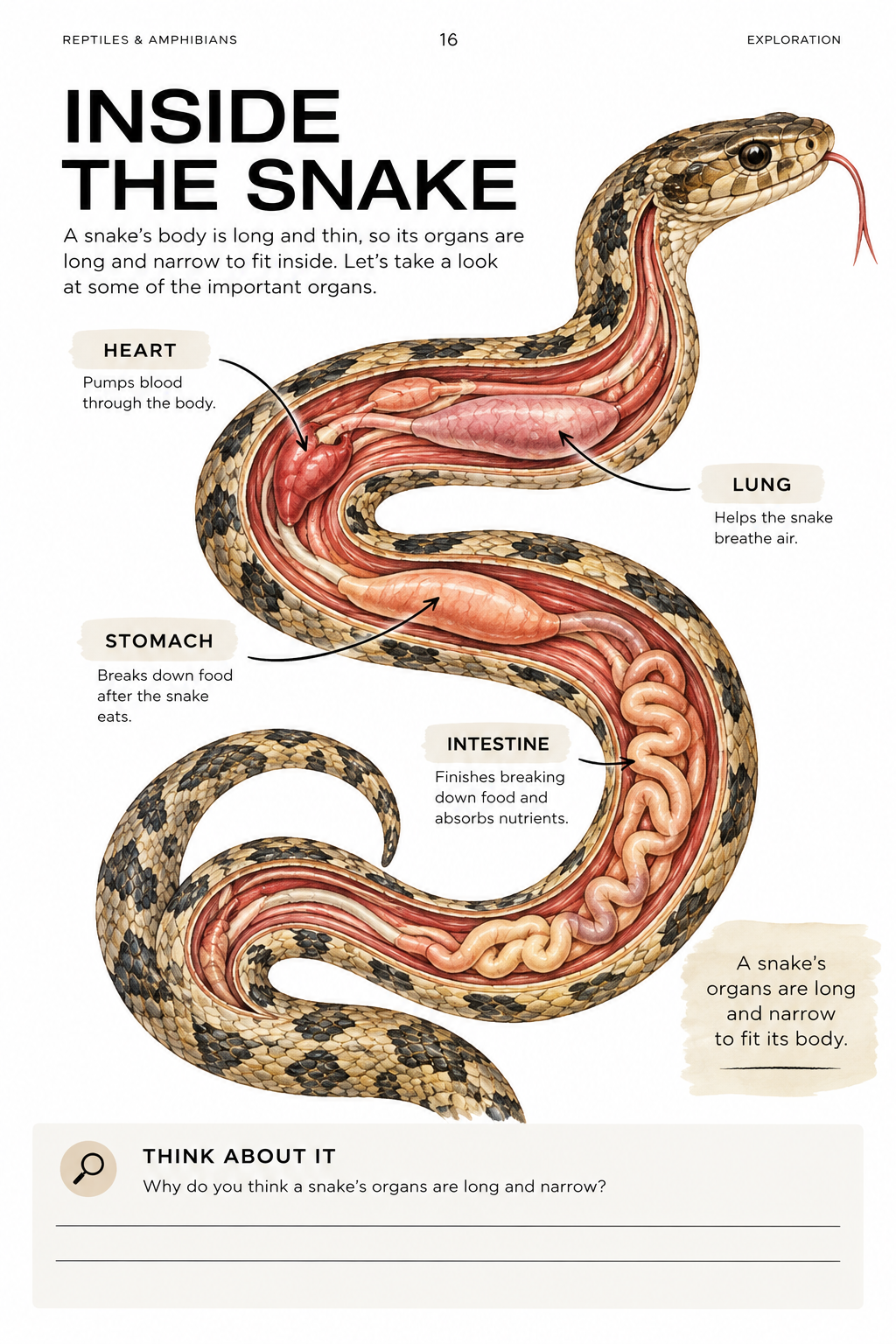 Image 6 of 8
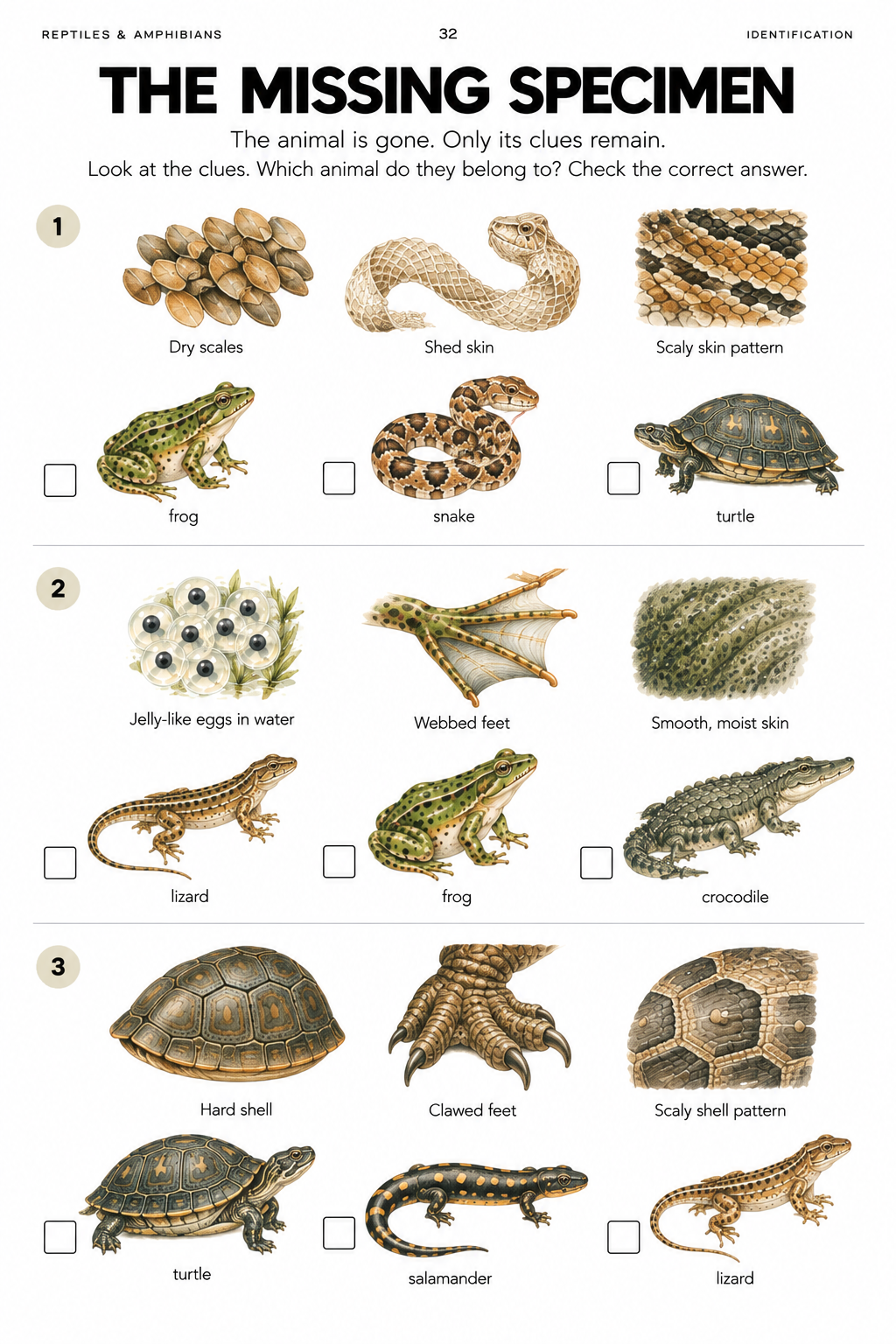 Image 7 of 8
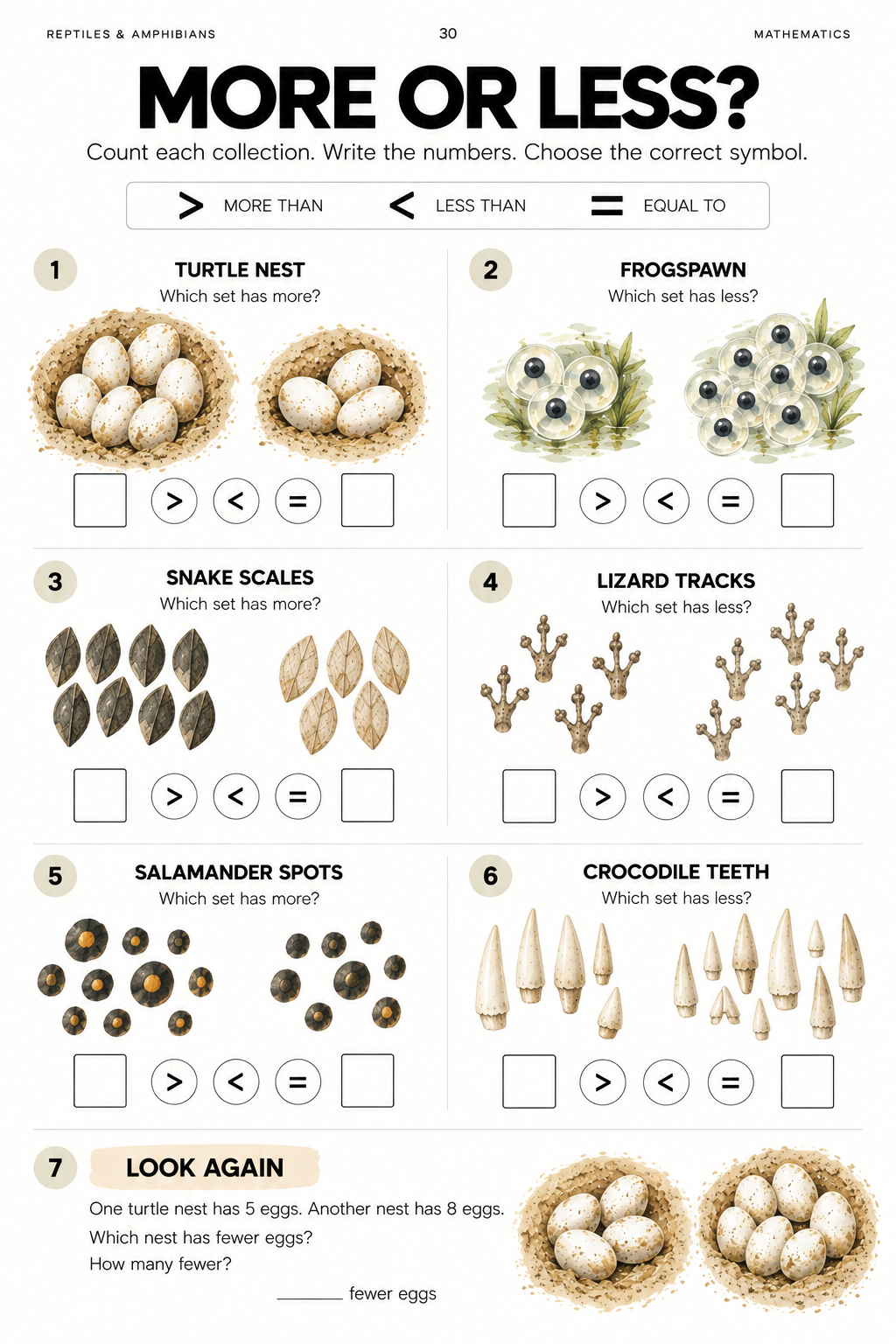 Image 8 of 8