A closer look at the small things.
The Creepy Crawly Issue turns spiders, beetles, moths, snails and ants into a study in observation, classification and early reasoning. Inspired by vintage natural-history books and old specimen collections, each page pairs thoughtful learning with a clean, editorial approach designed for curious young minds.
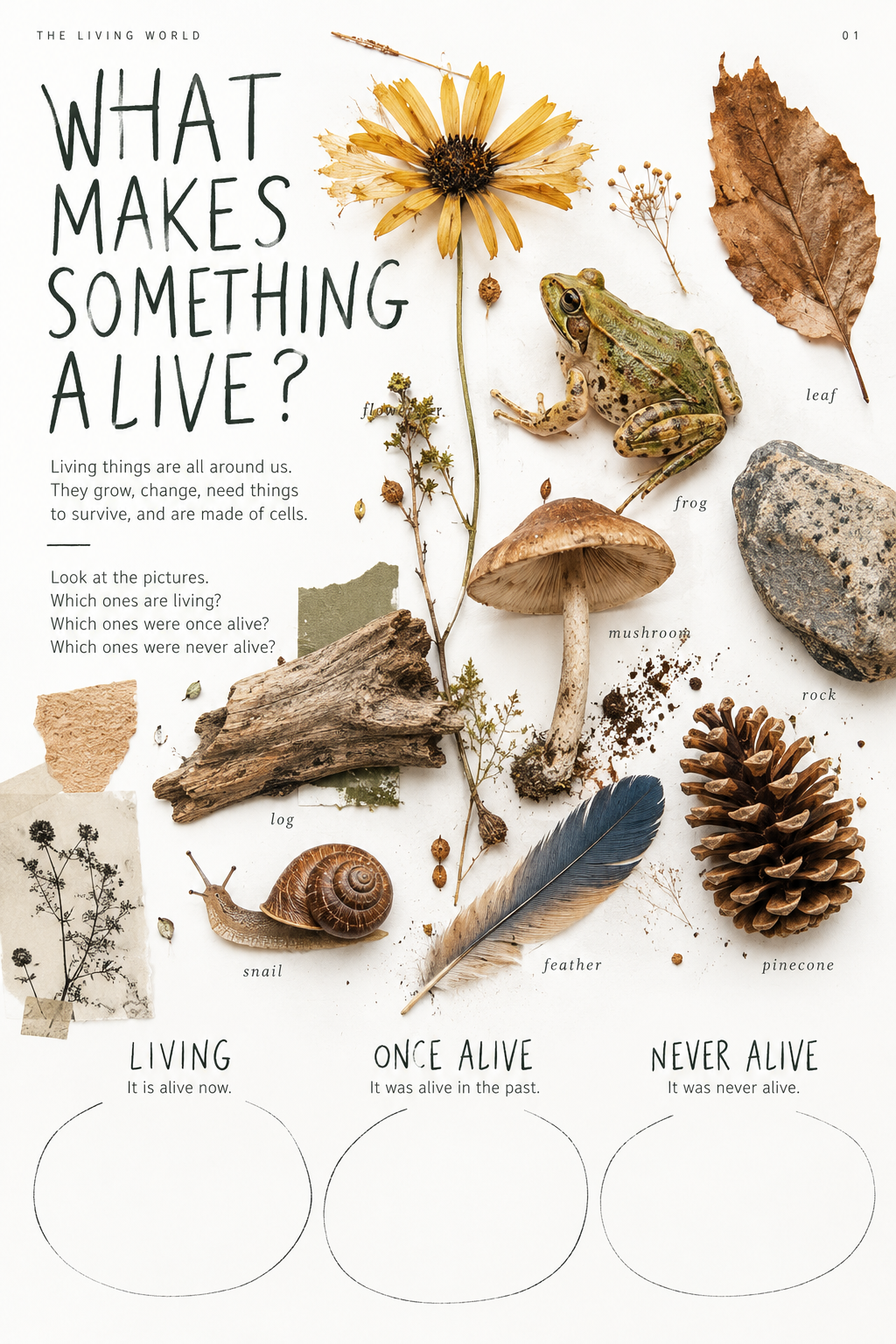
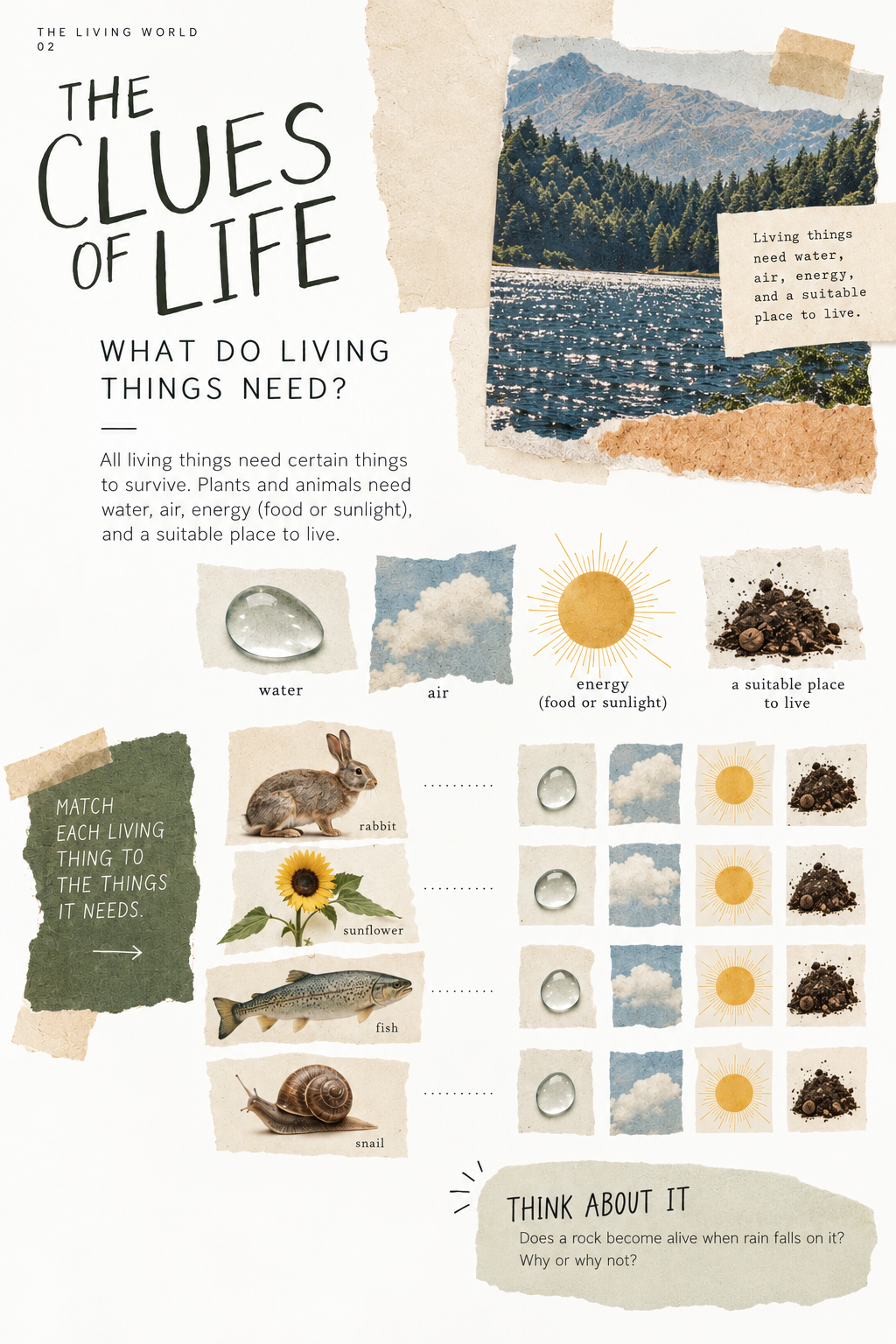
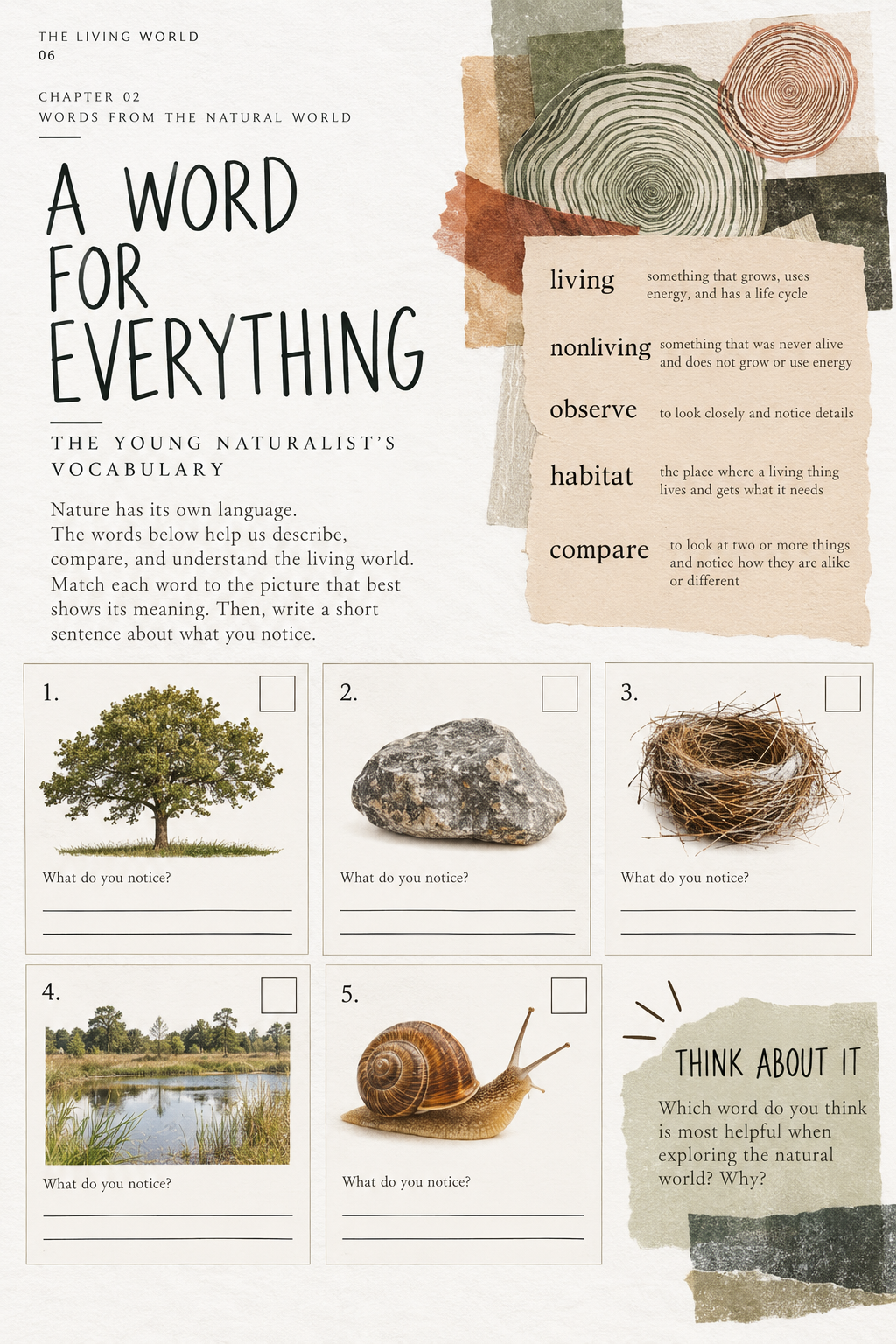
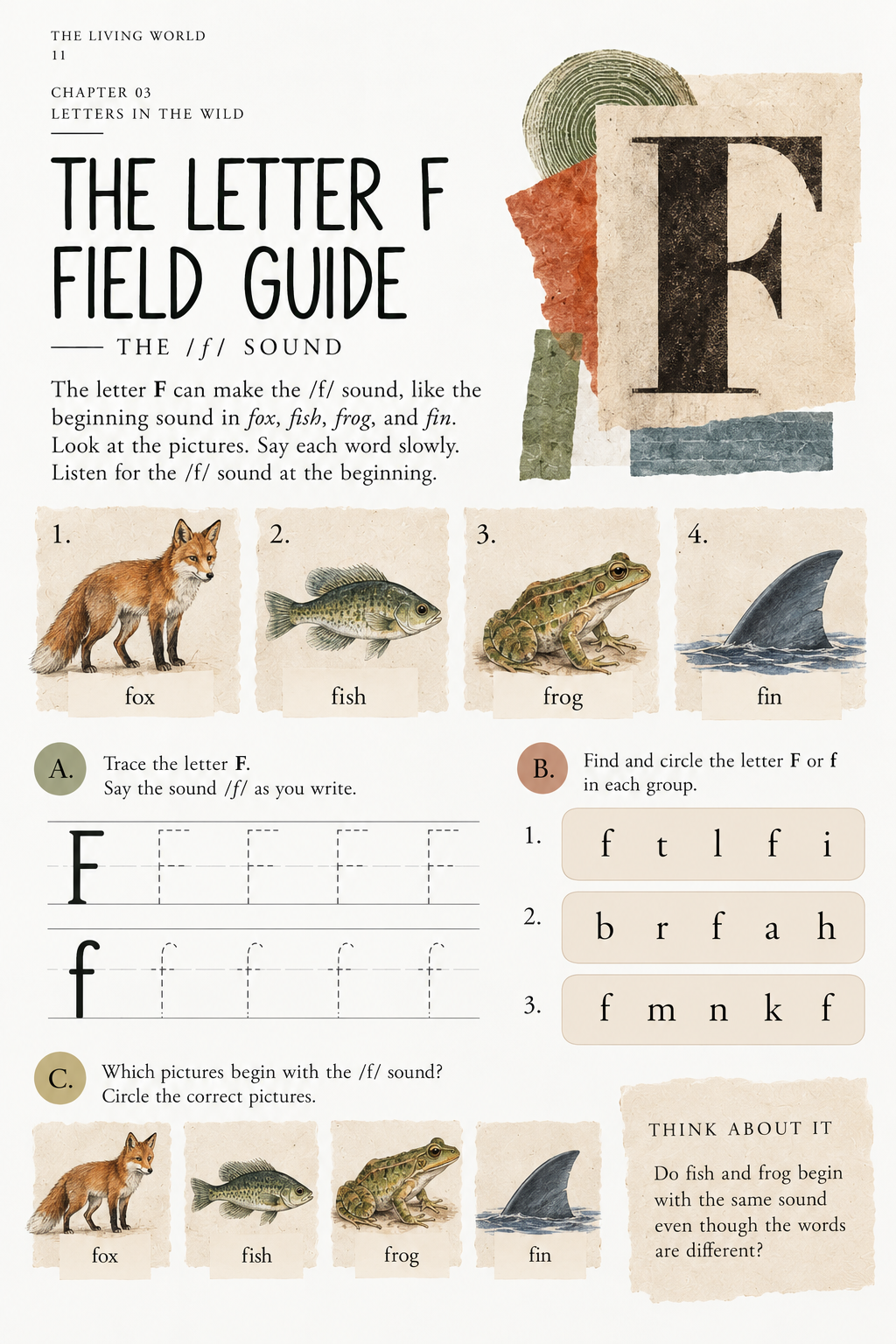
Children will examine wings, follow ant trails, complete patterns, compare specimens, investigate clues, count legs, study symmetry and decide what belongs—and what doesn’t. Informational pages introduce each creature simply, while activities move beyond memorization and ask children to look closer, notice differences, make connections and think for themselves.
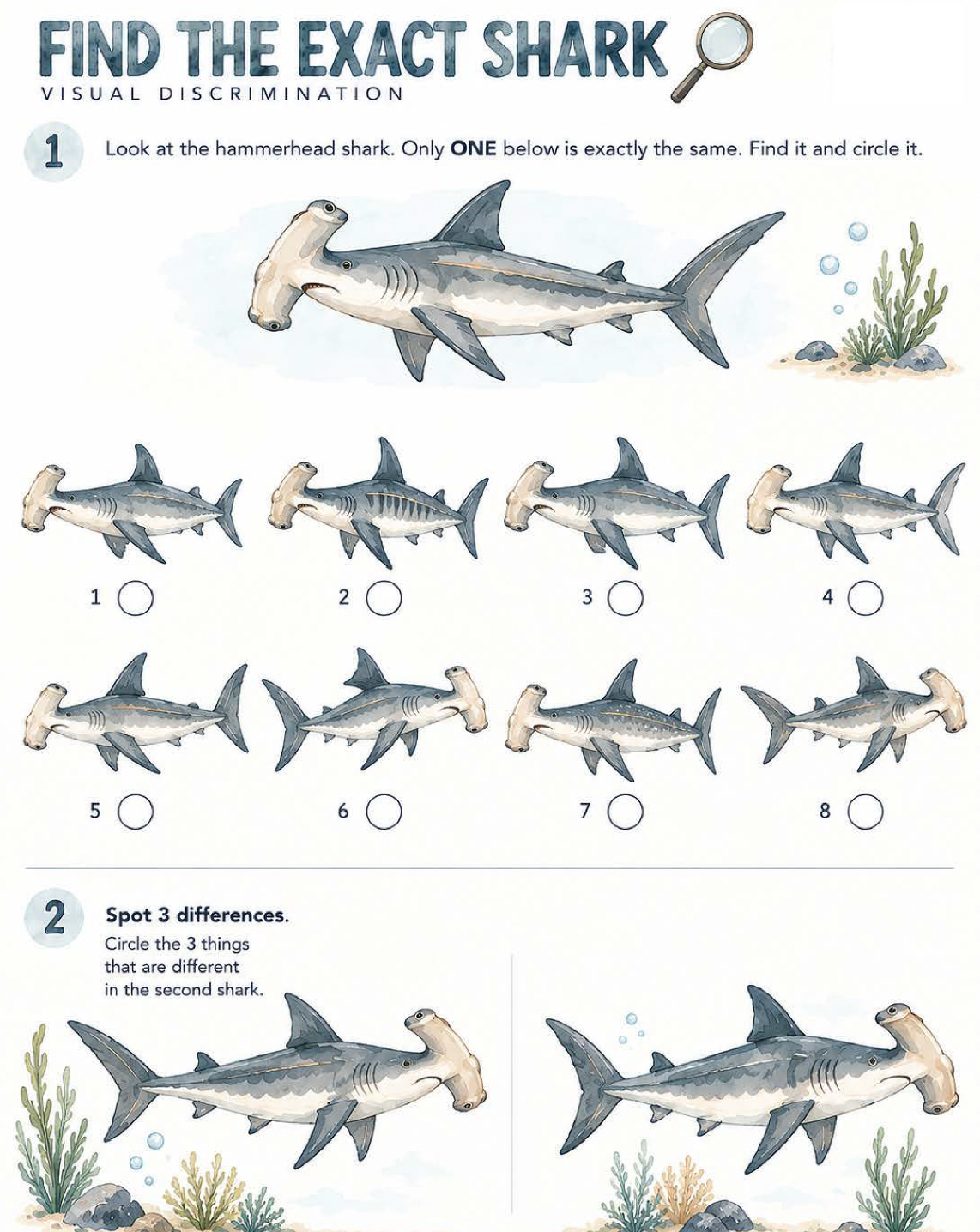
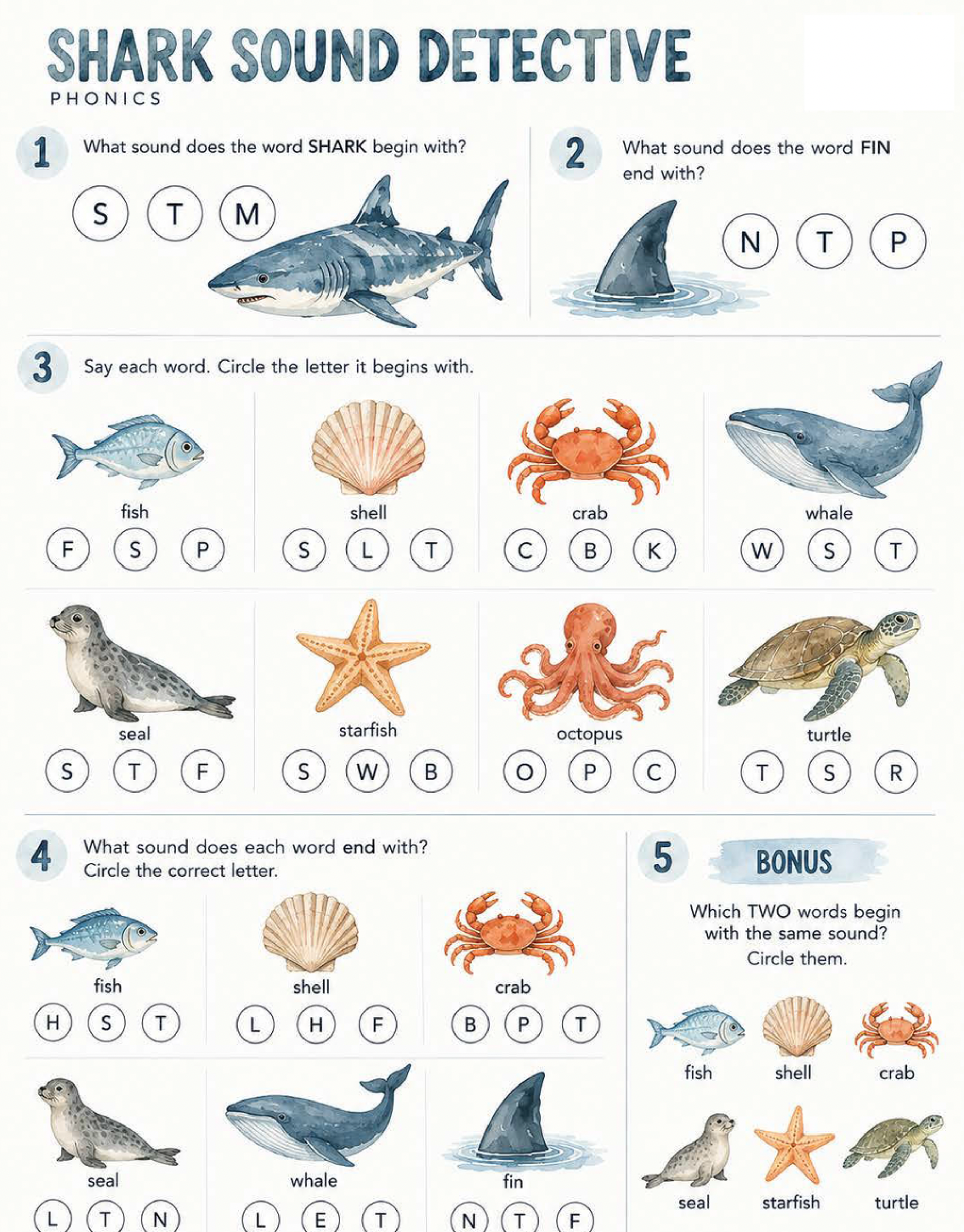
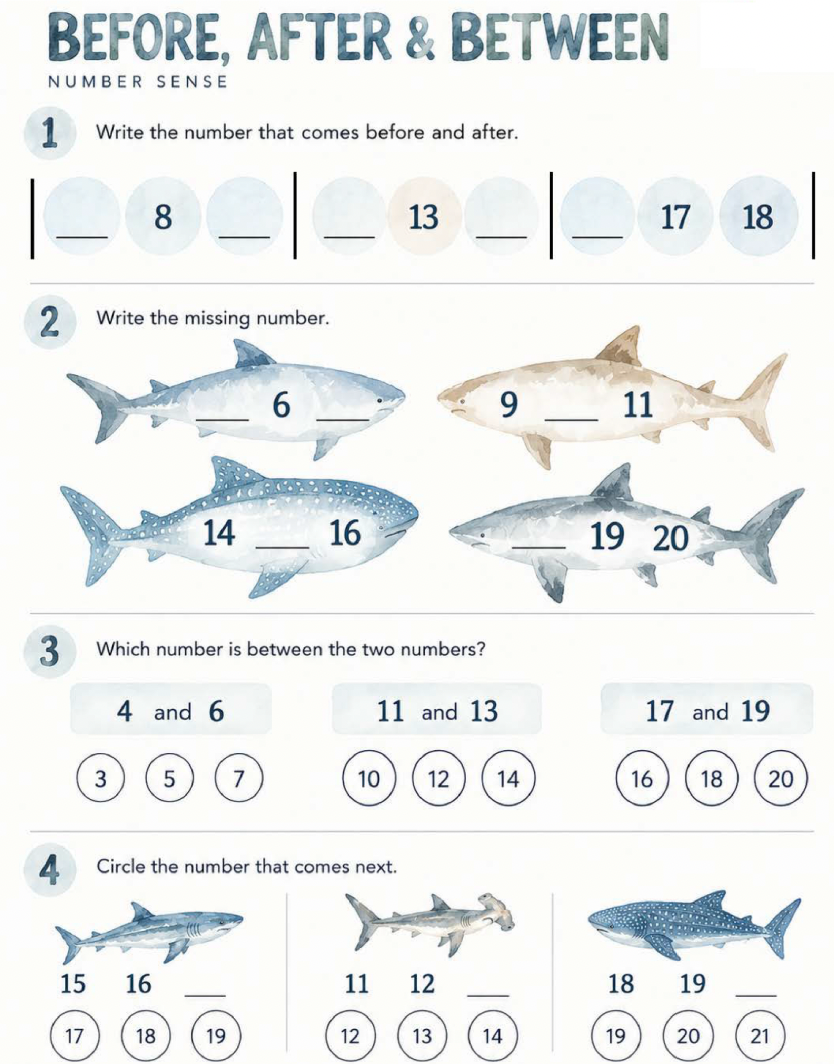
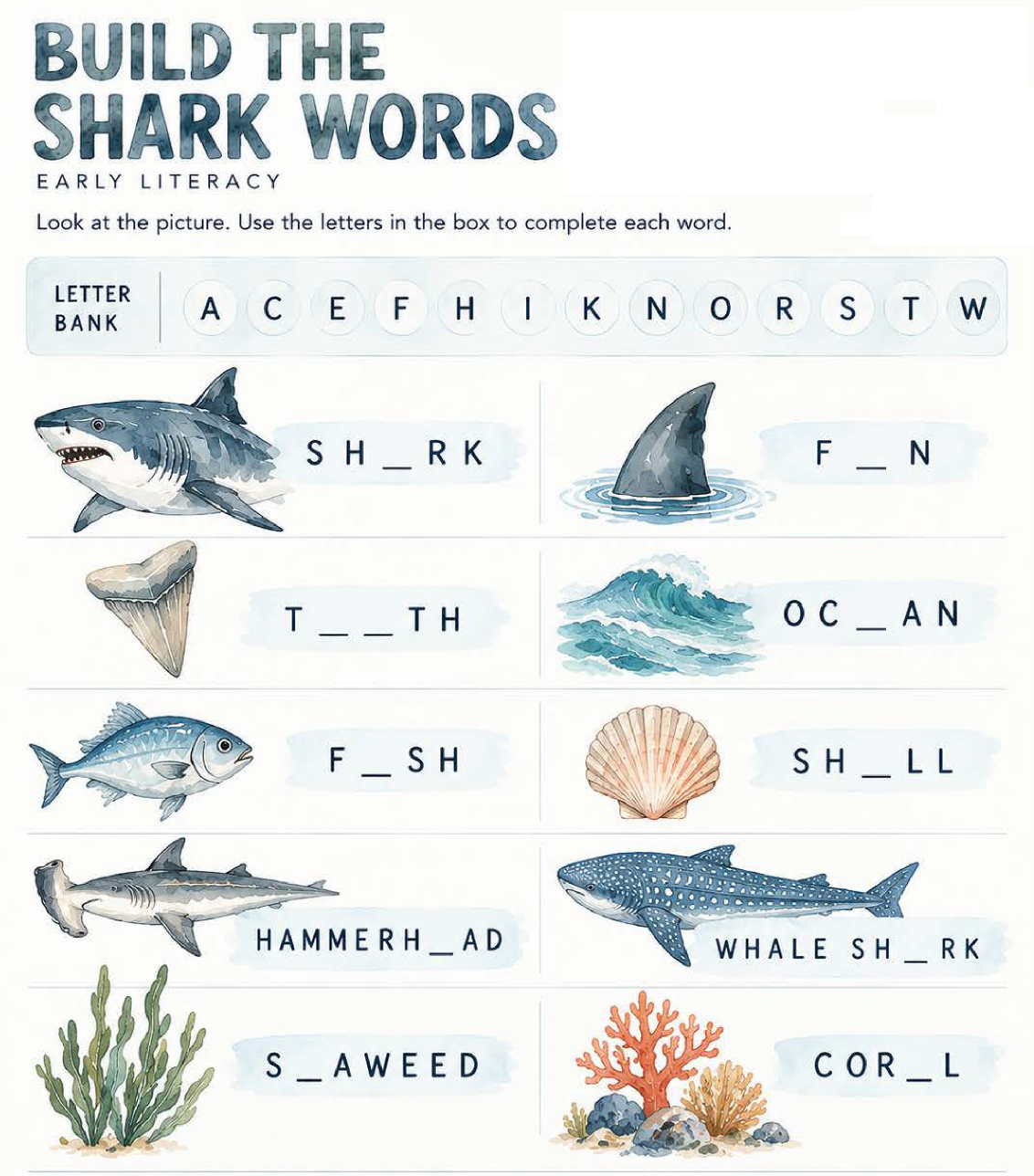
Inside, children explore early science • math • patterns • classification • observation • visual discrimination • logic • inference • symmetry • counting • comparison and more.
20+ Printable Pages • Preschool + Pre-K + Kindergarten • Digital Download
Black and white printer friendly version at the end of the study.
Little Thinkers Tip: Take your learning outside. Look under a leaf, beside a flower or along the sidewalk and see what tiny creatures you can find. Instead of immediately naming them, ask: “What do you notice about its body?” “How does it move?” “Why do you think it lives here?”

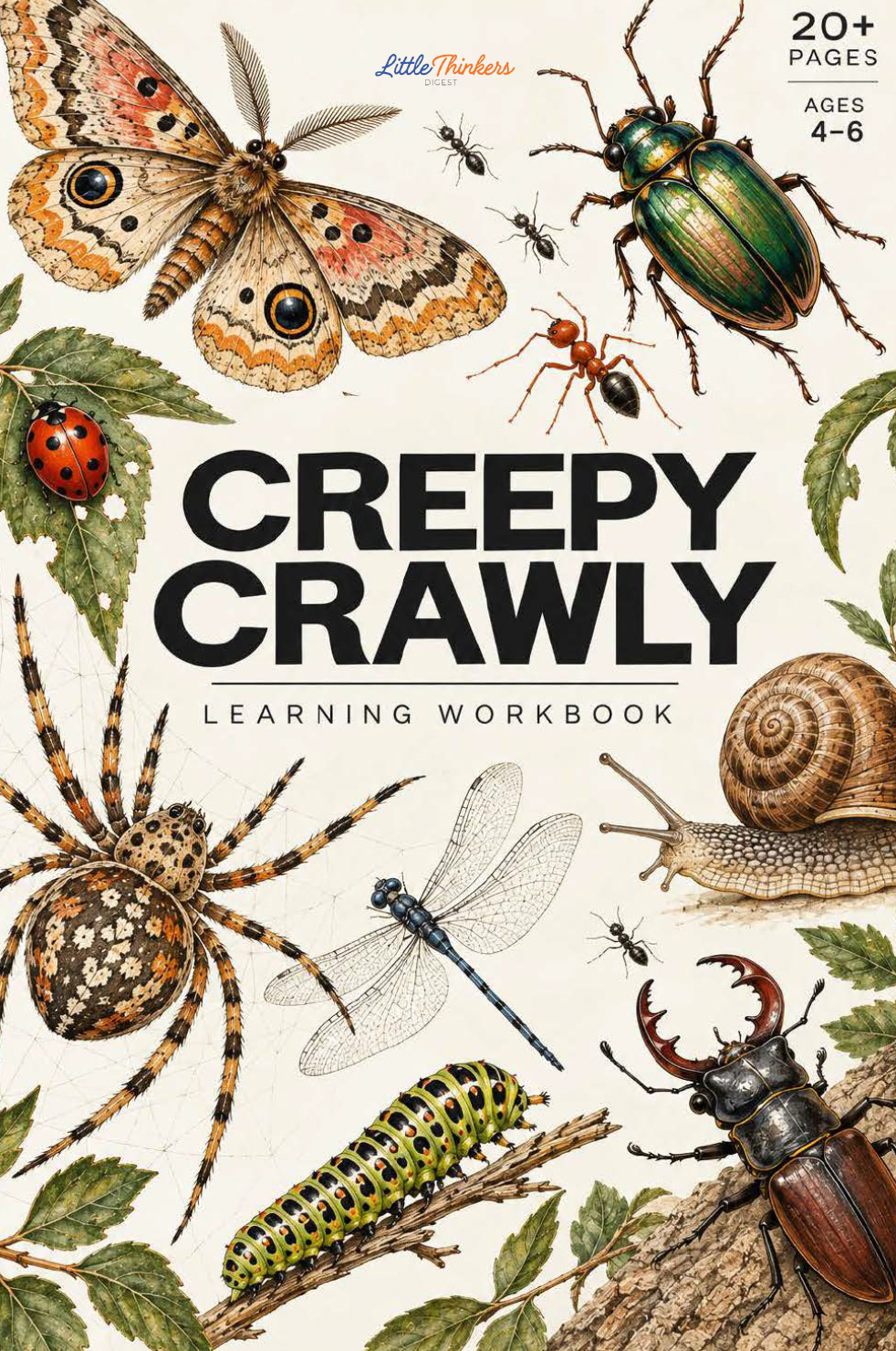 Image 1 of 6
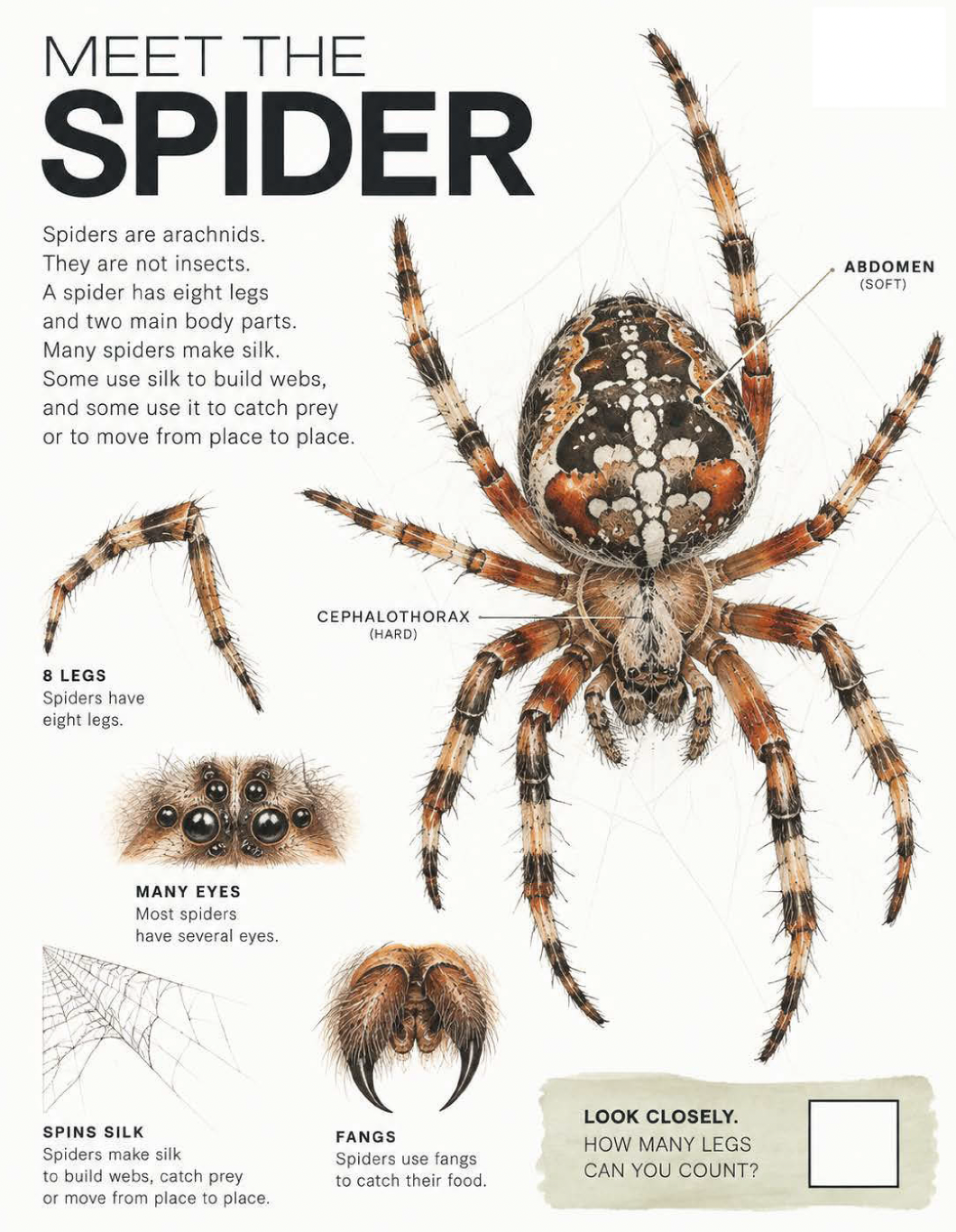 Image 2 of 6
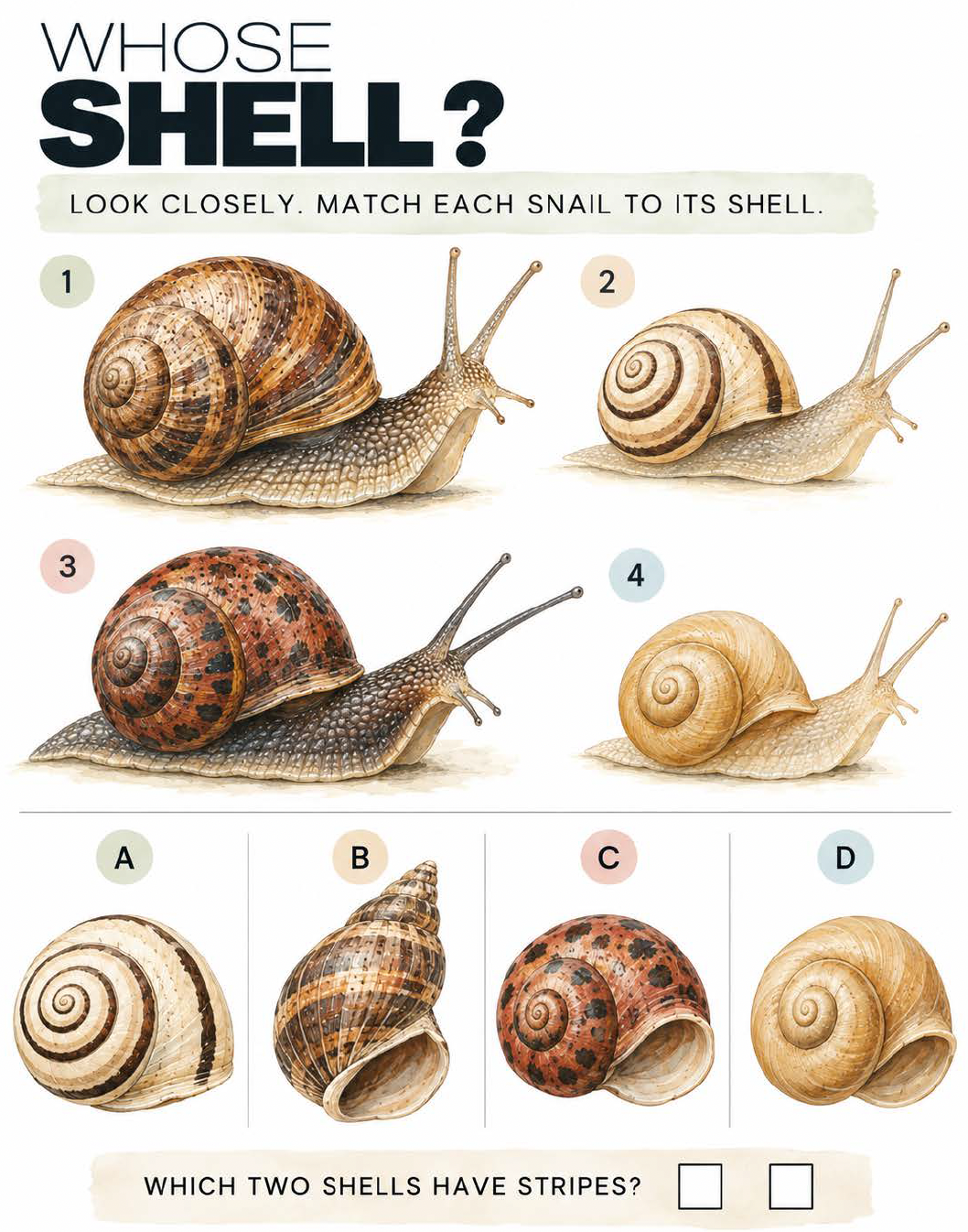 Image 3 of 6
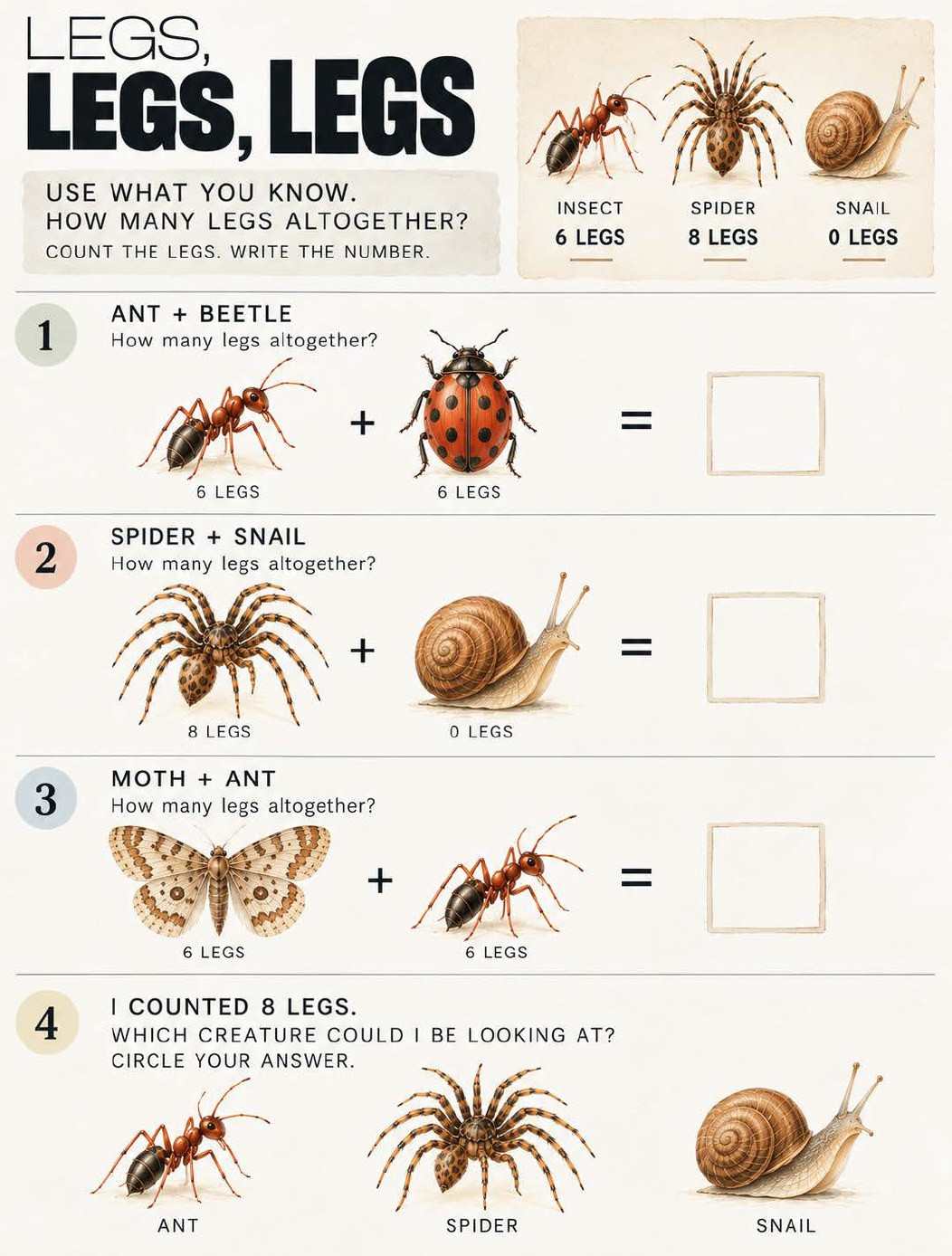 Image 4 of 6
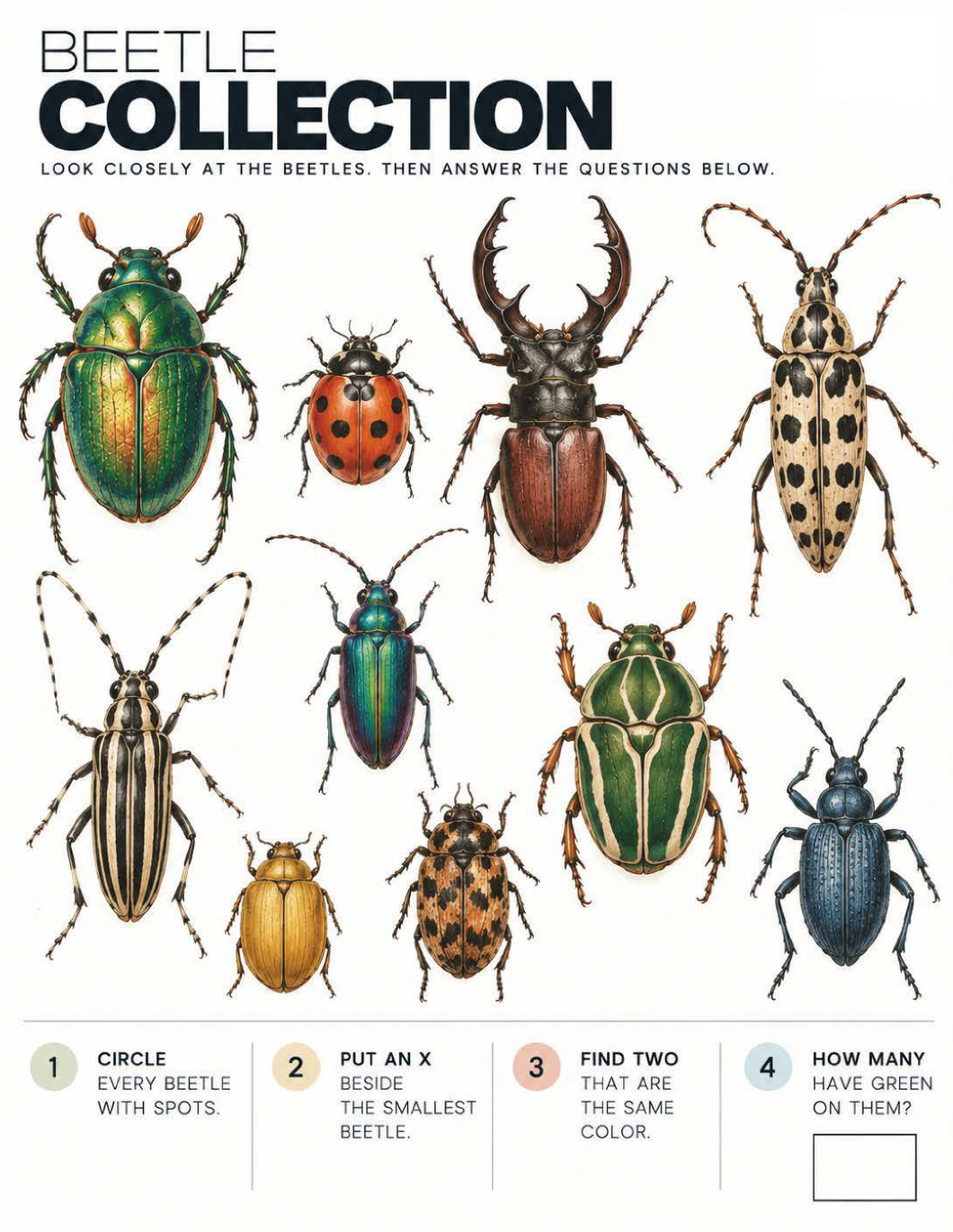 Image 5 of 6
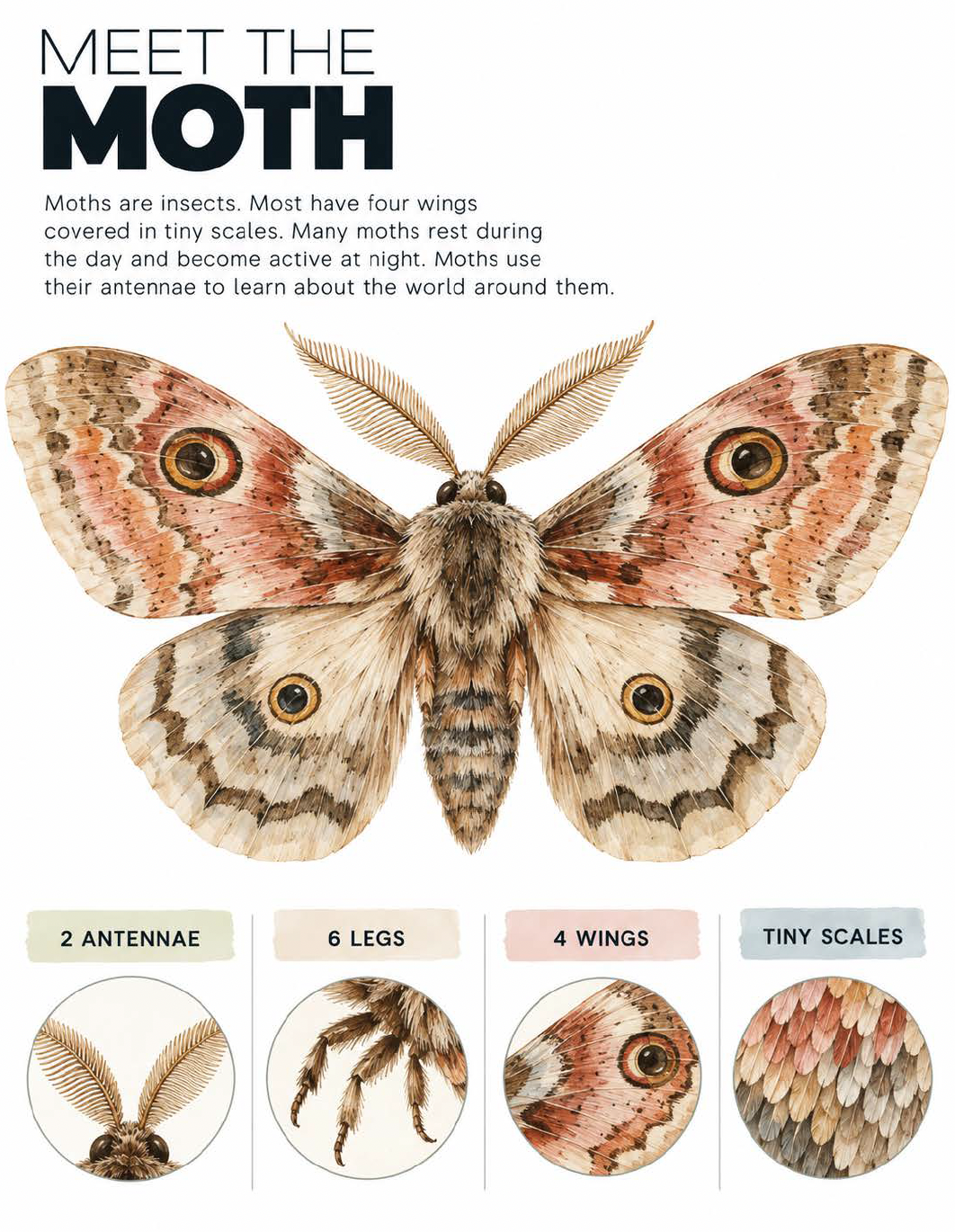 Image 6 of 6