An Illustrated Study of Foundations, Balance & Extraordinary Structures
Why don't skyscrapers fall over? How can a building lean without collapsing? And what keeps a bridge standing high above the ground?
How Buildings Stand introduces curious young minds to the fascinating world of architecture and structural engineering.
Designed primarily for digital reading and guided learning, this study combines striking architectural imagery, engaging explanations, and hands-on investigations that encourage children to look beyond how buildings appear and discover what makes them stand.
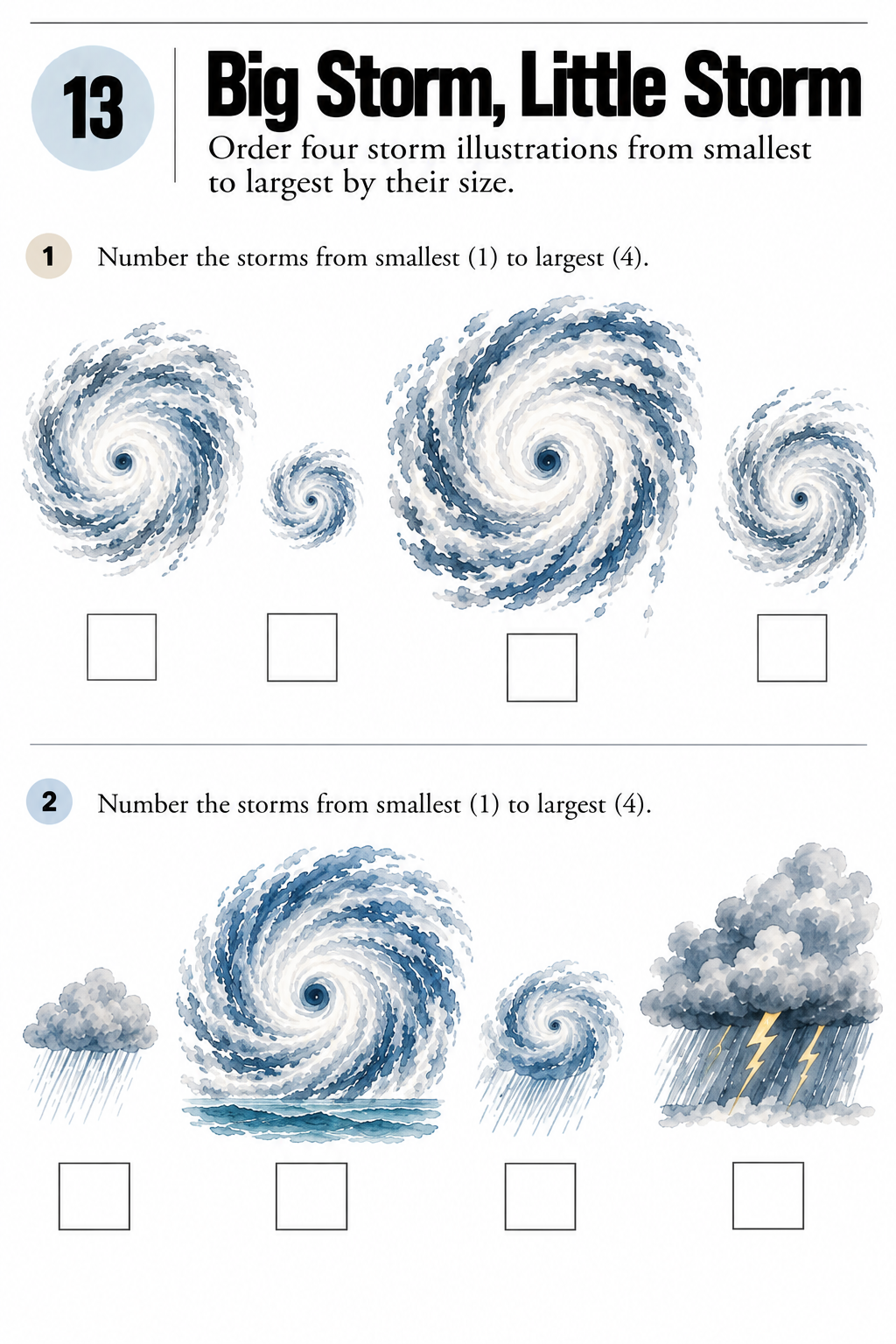
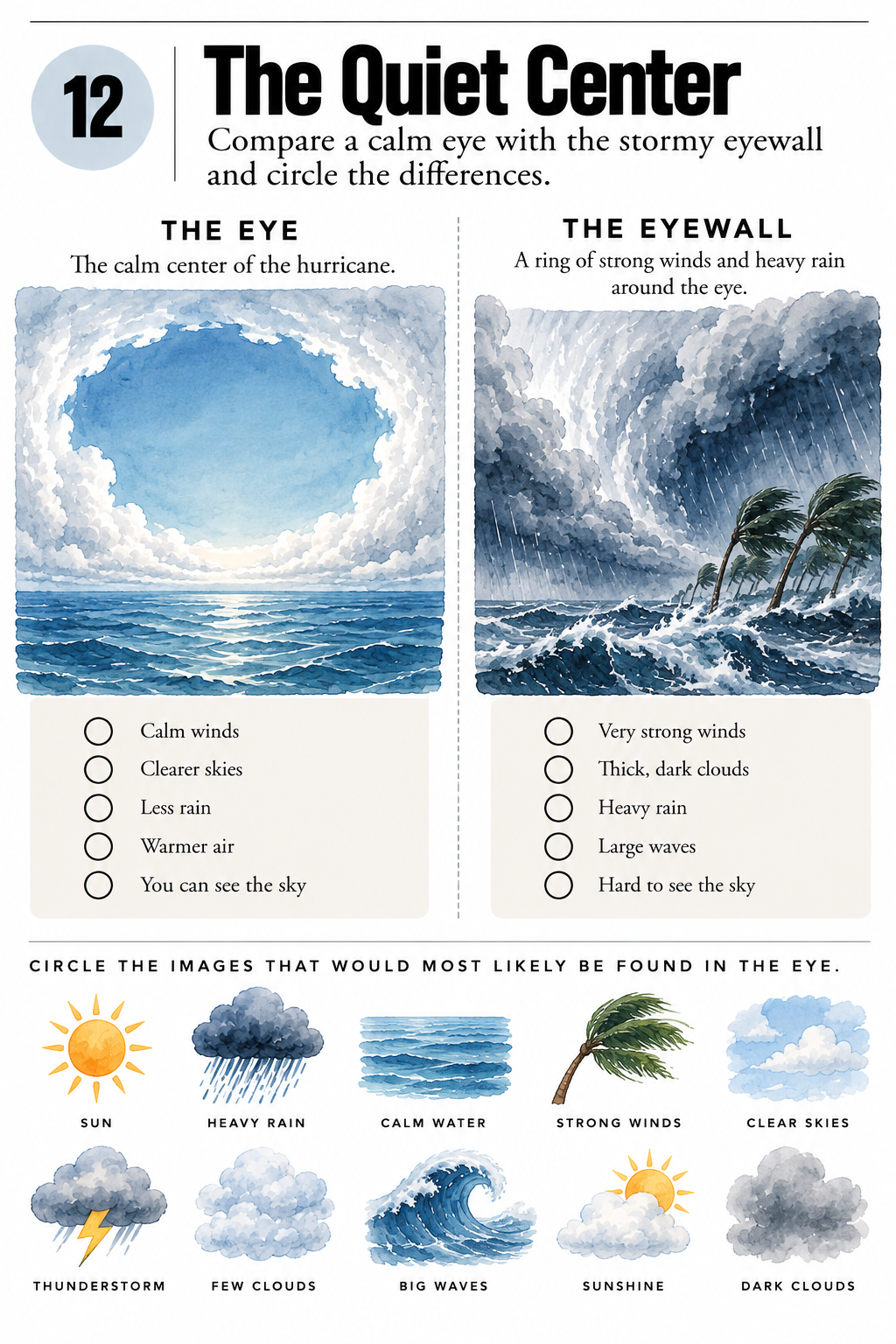
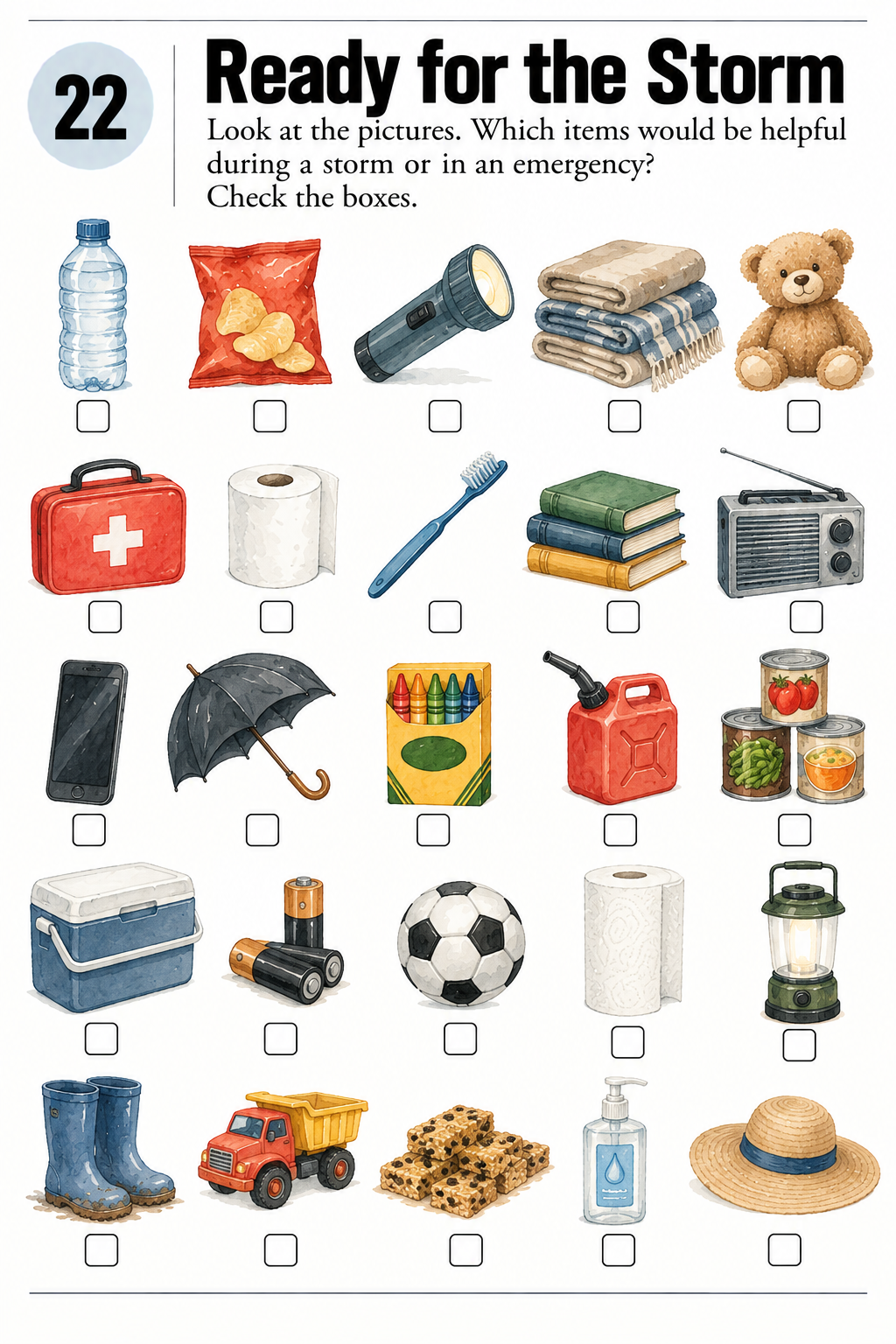
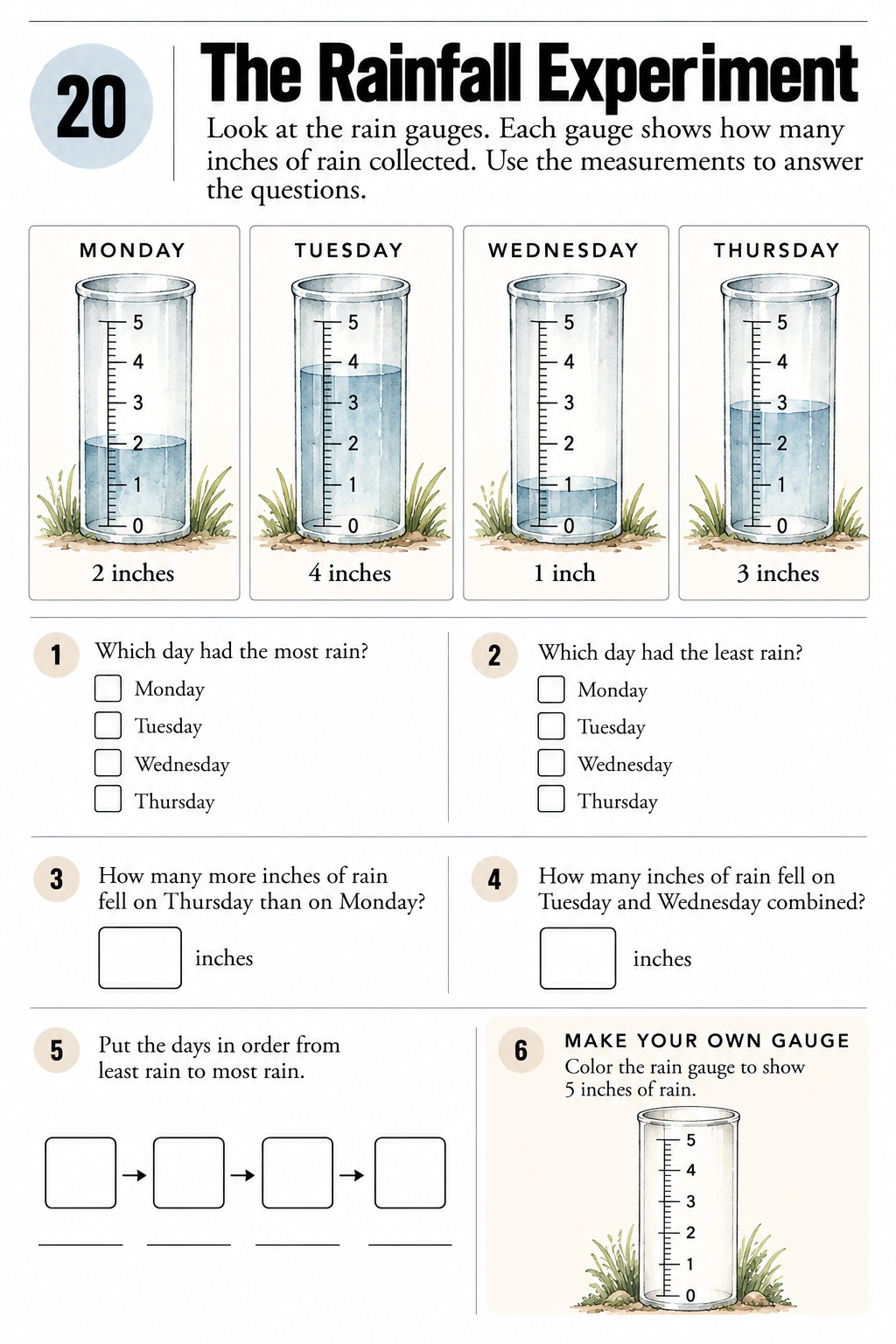
Throughout the book, printable activity pages invite children to put their discoveries into practice through observation, prediction, building experiments, and creative problem-solving. Young engineers will build, predict, compare, test, and redesign as they discover how shapes, materials, balance, and support work together.
Inside the study:
Foundations and the ground beneath buildings
Columns, beams, and structural frames
Skyscrapers, gravity, and wind
Arches, triangles, and bridges
Extraordinary structures from around the world
Hands-on building challenges and engineering mysteries
Building Words Glossary
Parent and Educator Answer Key
The Experiment Guide
How to use this book: Read together on a tablet, computer, or other digital device, pausing to discuss the illustrations and engineering concepts. Print the activity pages as you go, allowing children to experiment, investigate, and apply what they've learned. The entire book may also be printed if preferred.
The best young engineers don't just ask what a building looks like. They ask what makes it stand.
Ages 4–7 | 50+ Pages | Early STEM · Architecture · Engineering

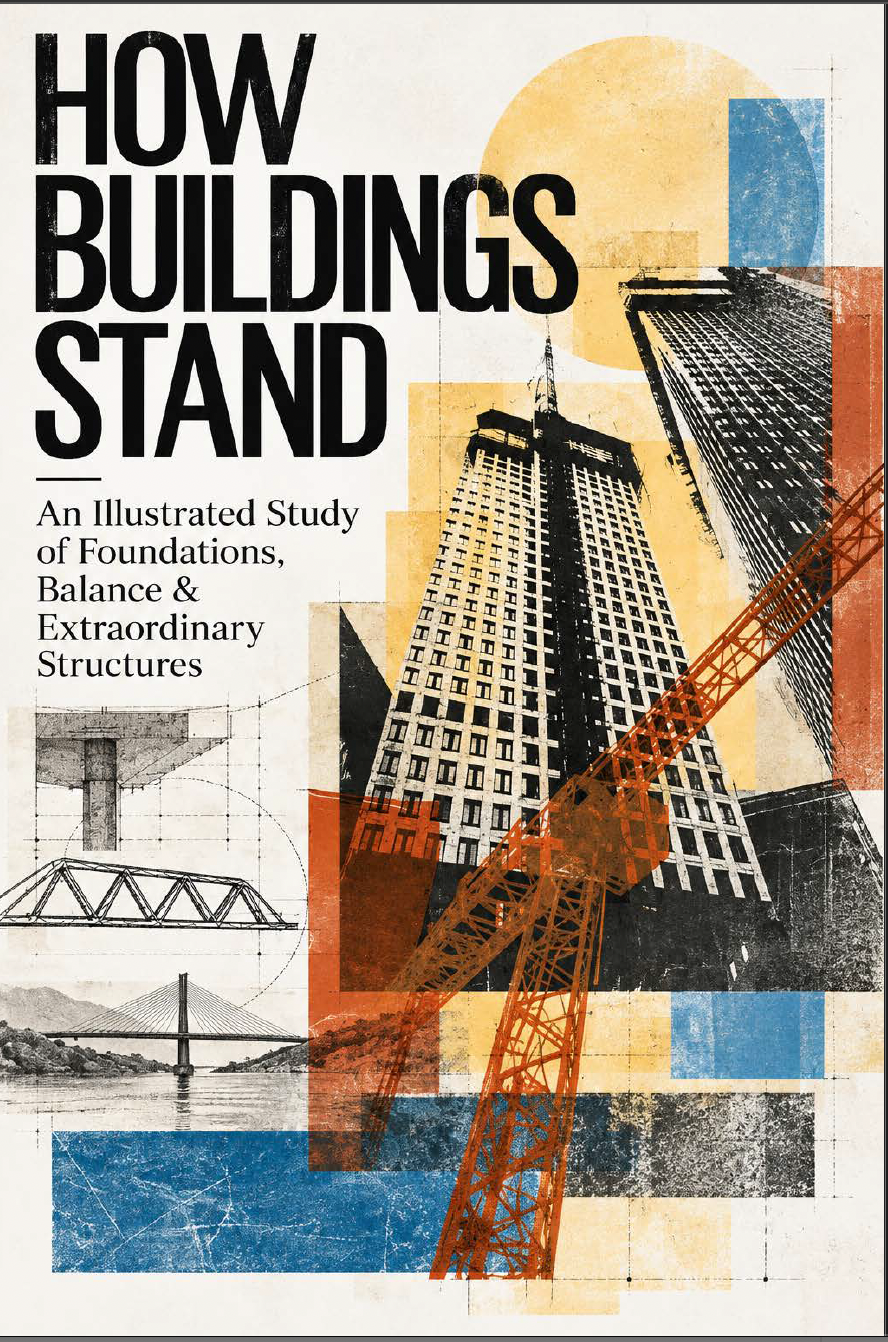 Image 1 of 8
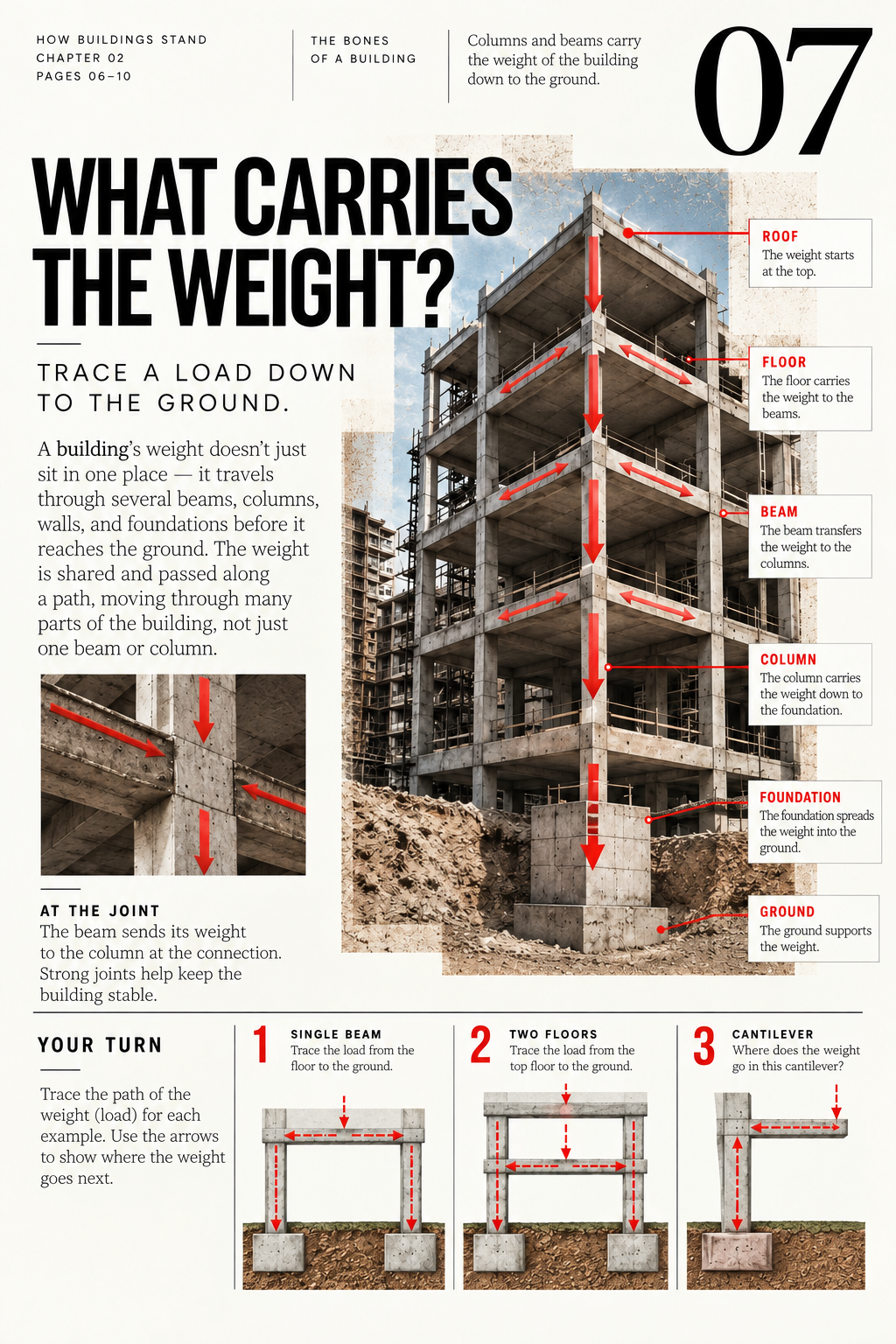 Image 2 of 8
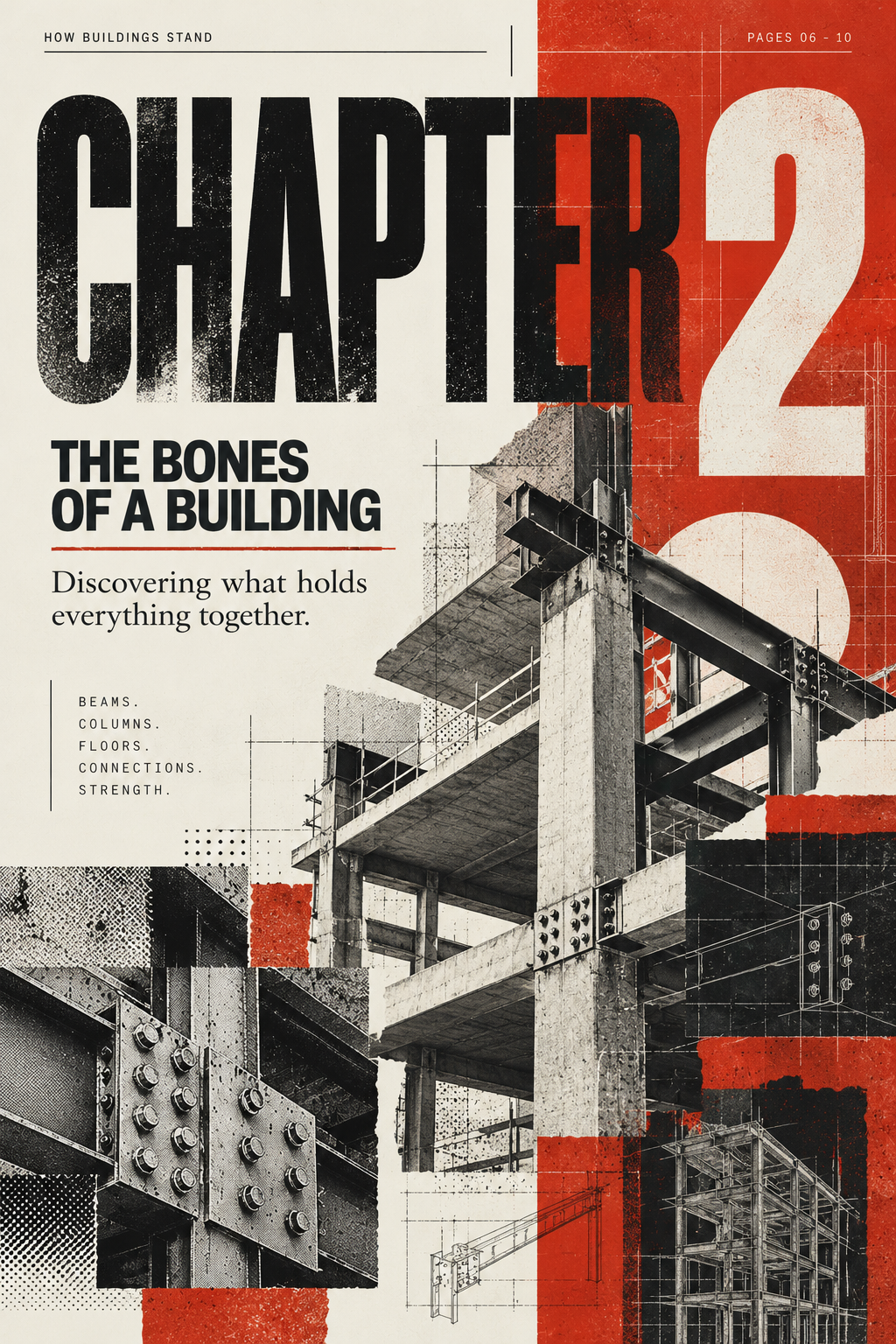 Image 3 of 8
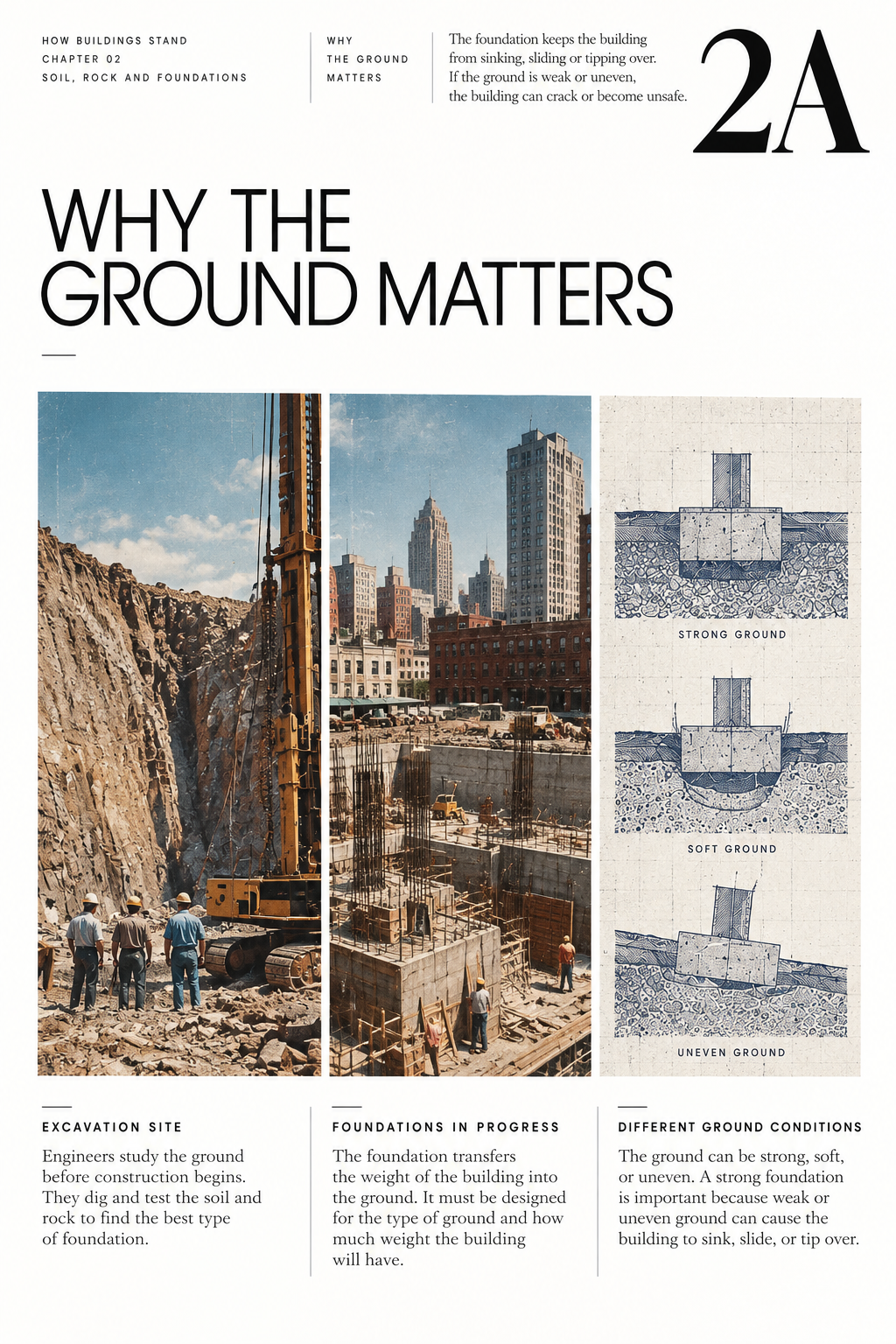 Image 4 of 8
 Image 5 of 8
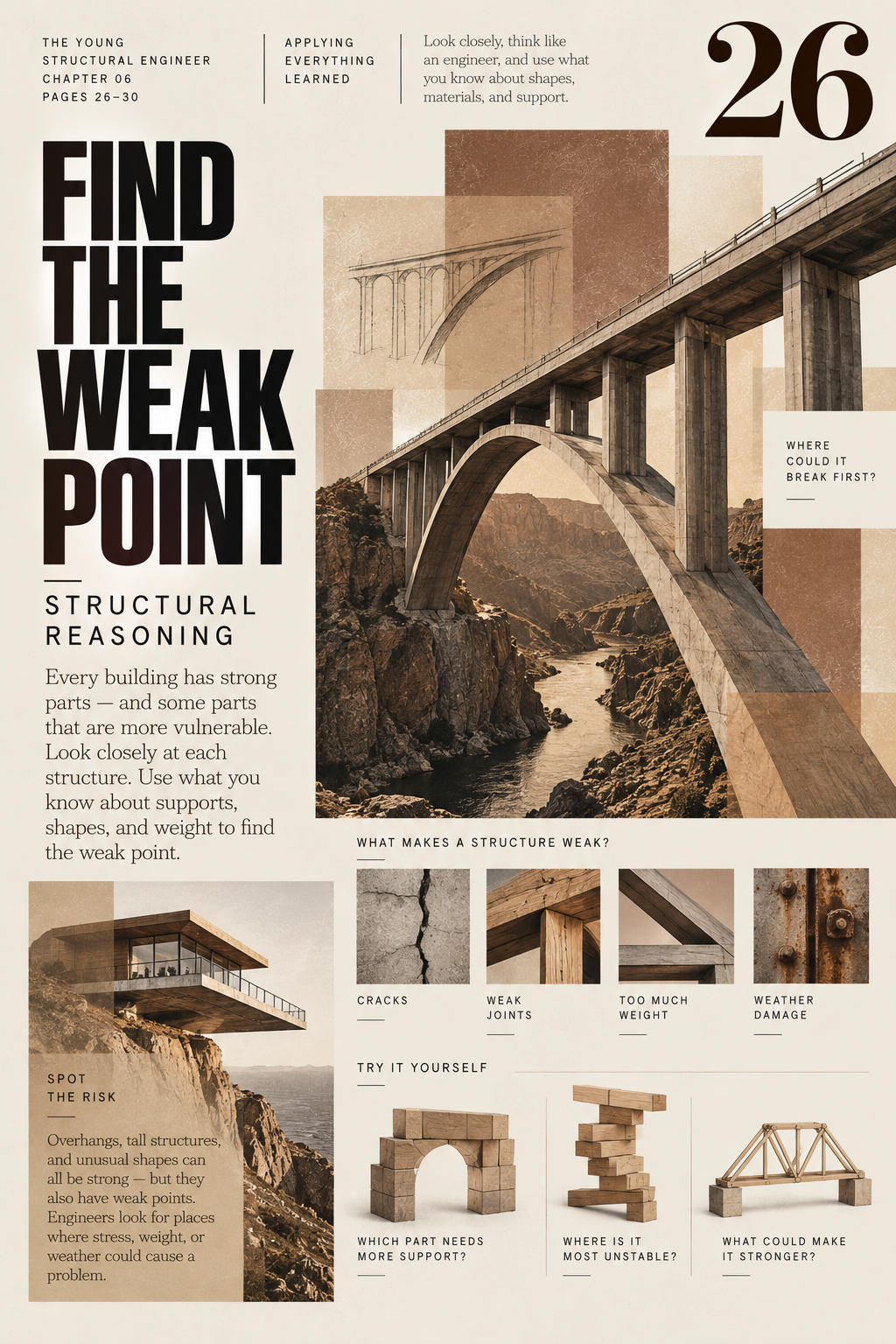 Image 6 of 8
 Image 7 of 8
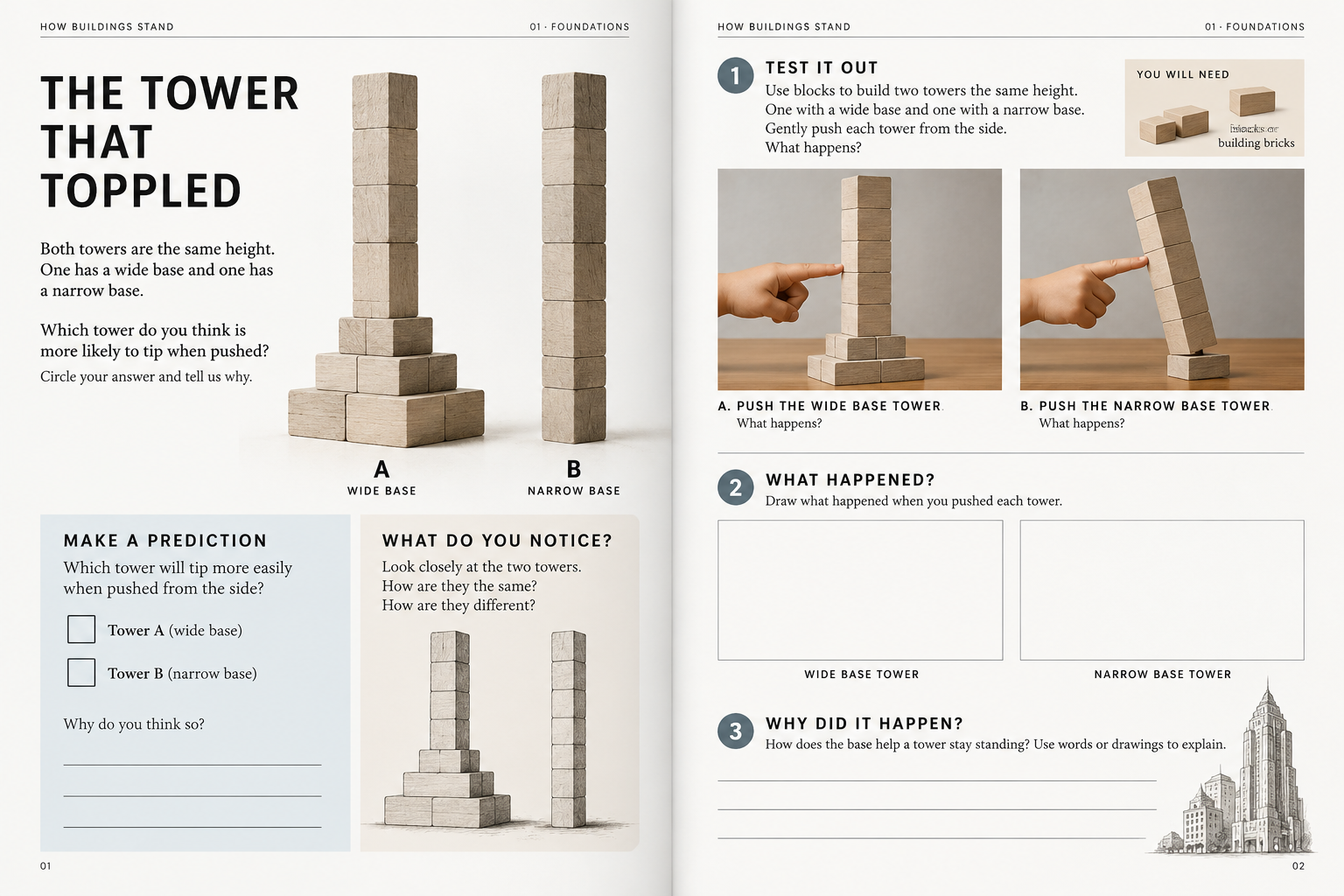 Image 8 of 8