Do we know it’s true—or could it just be true?
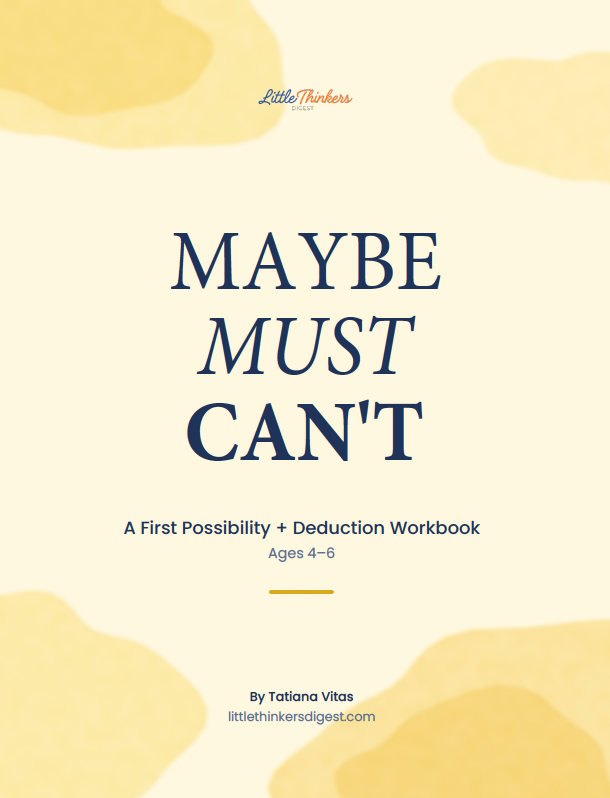
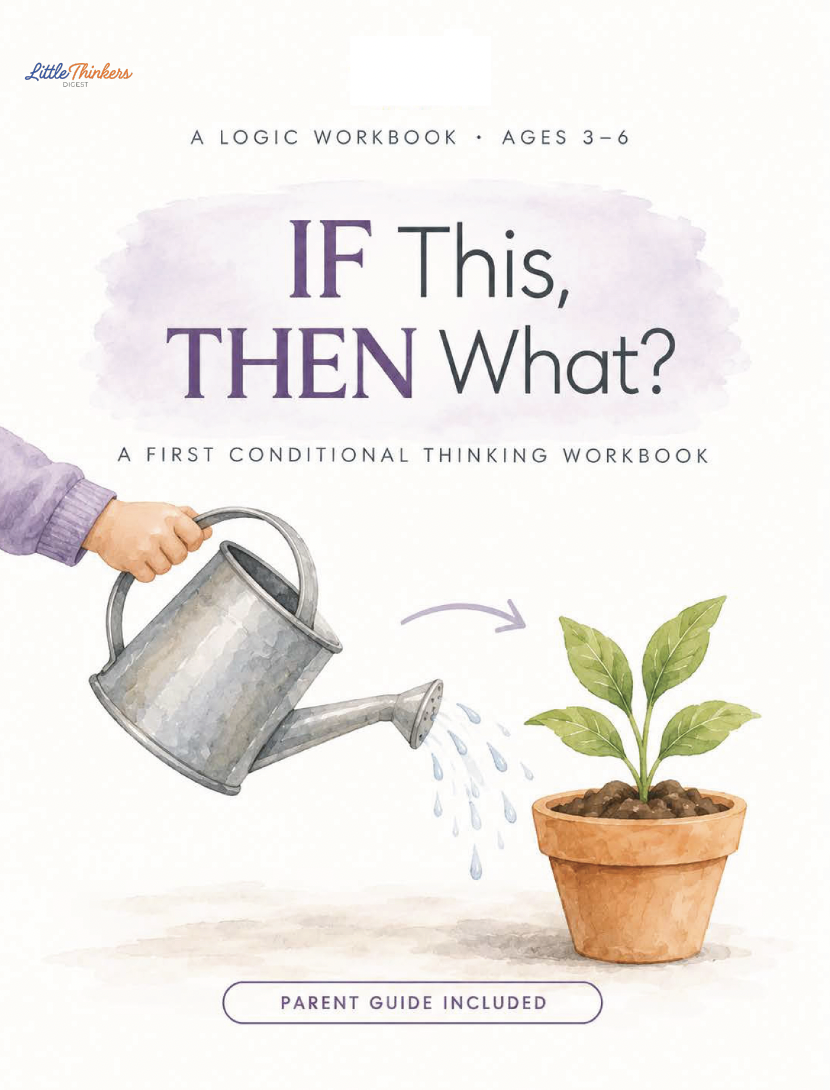
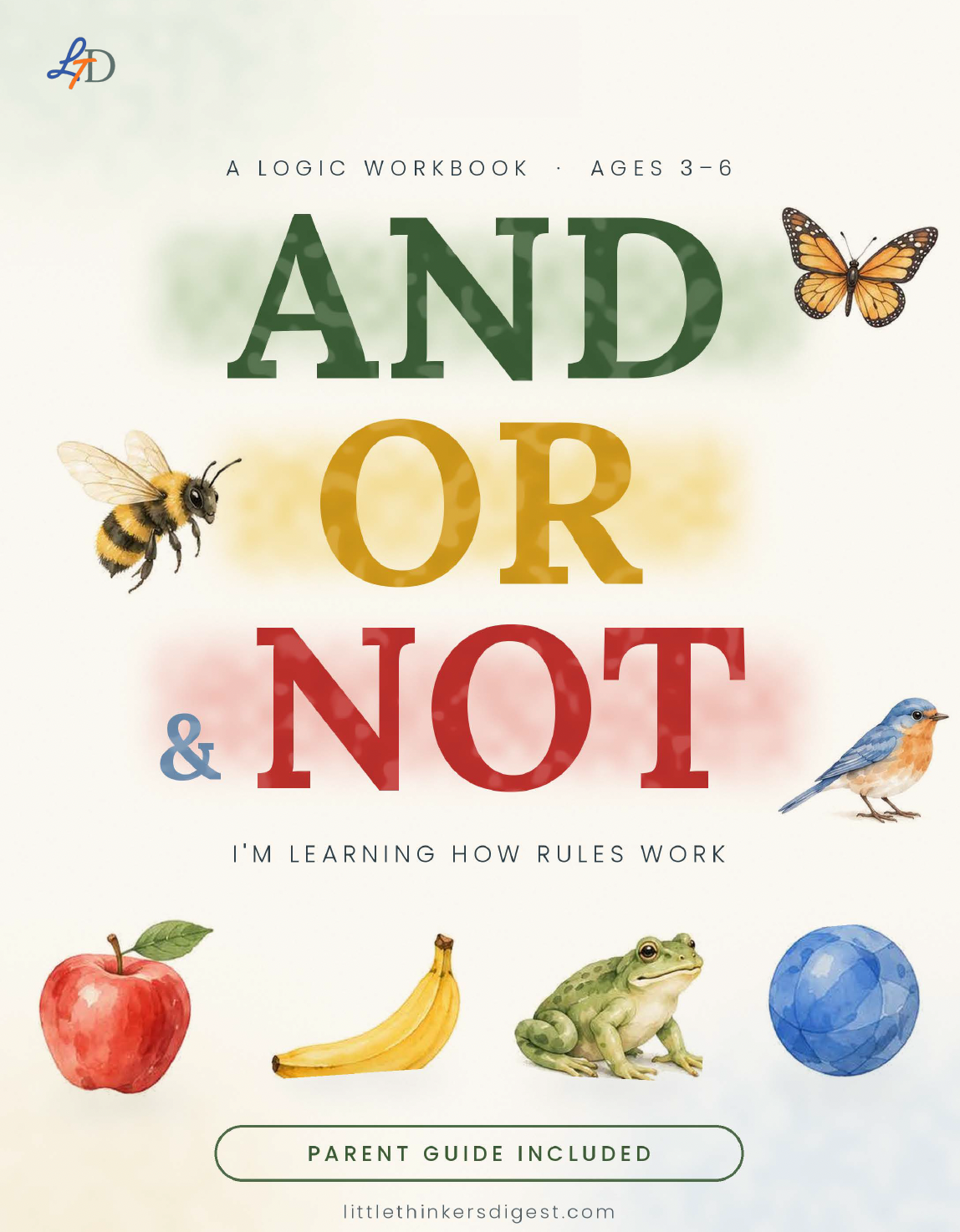
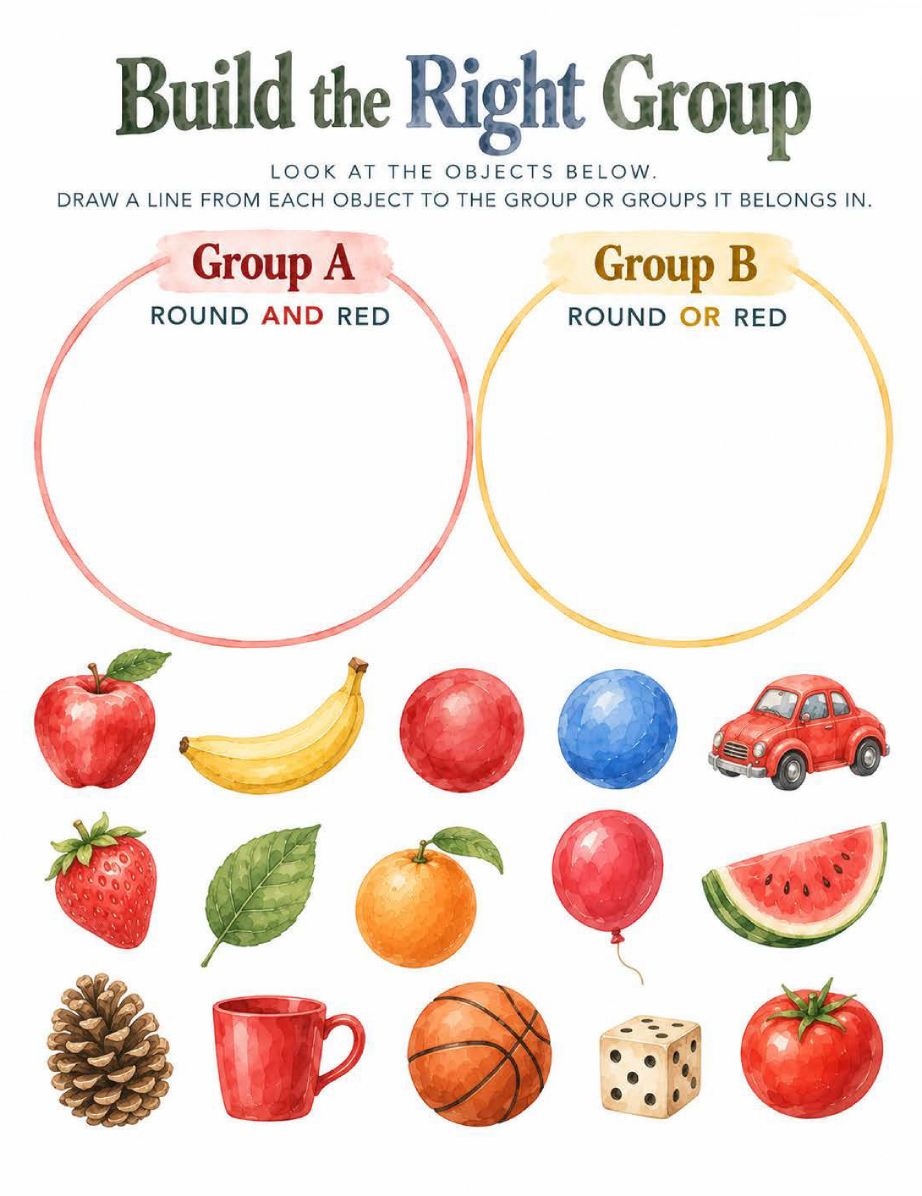
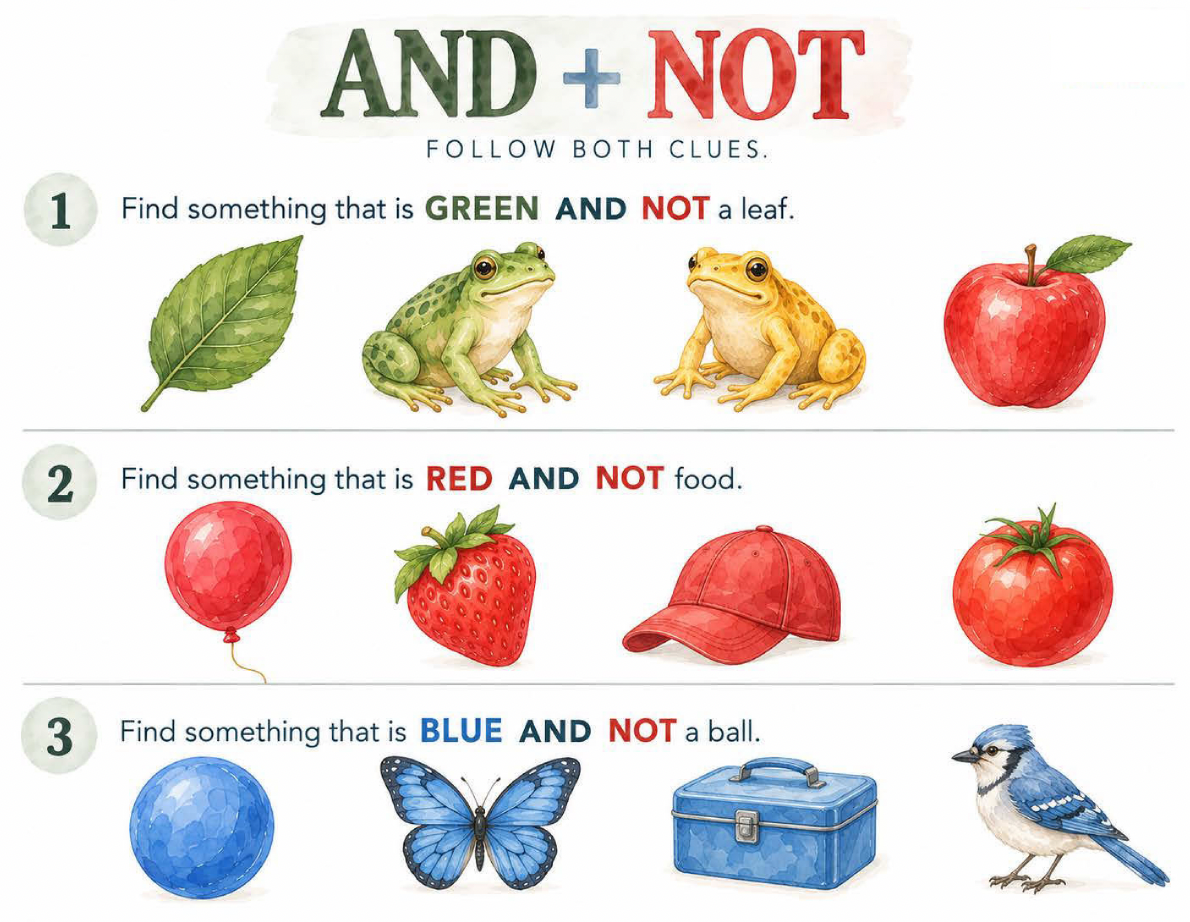
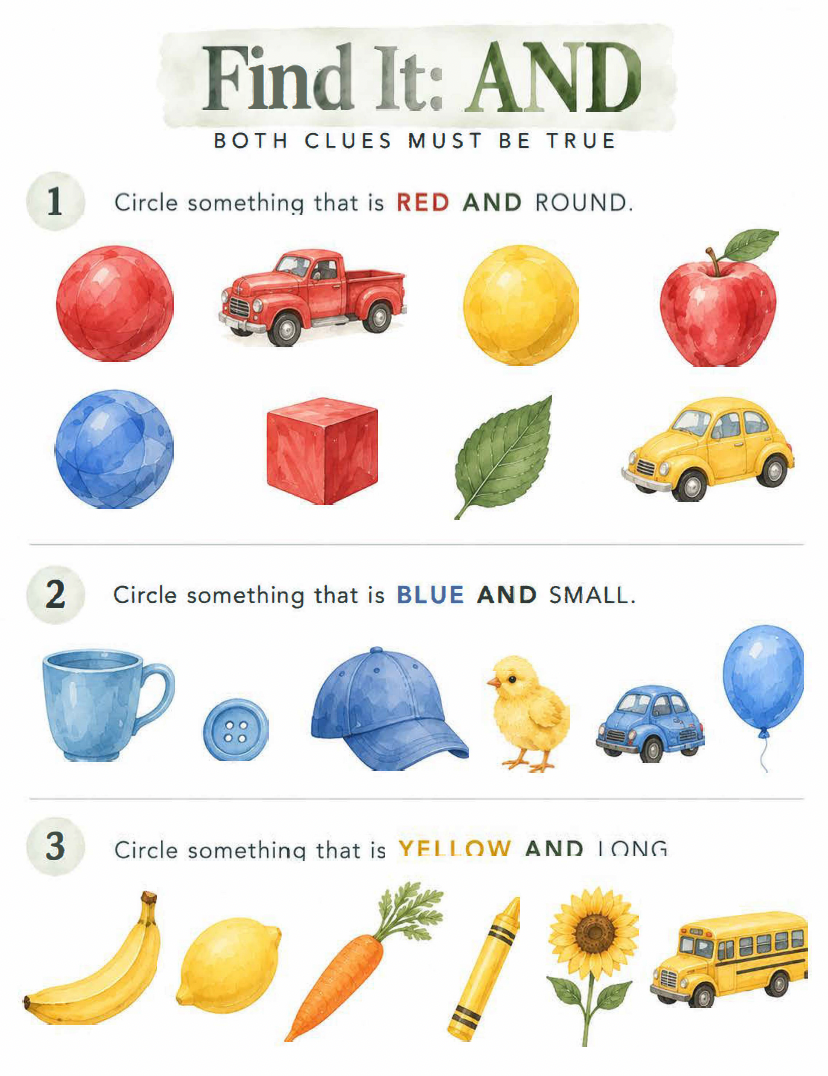
Could It Be True? — A First Possibility & Reasoning Workbook introduces children to three surprisingly powerful thinking concepts:
MUST BE TRUE — the clues tell us we know for sure.
COULD BE TRUE — it's possible, but we don't know for sure.
CAN'T BE TRUE — the clues tell us it's impossible.
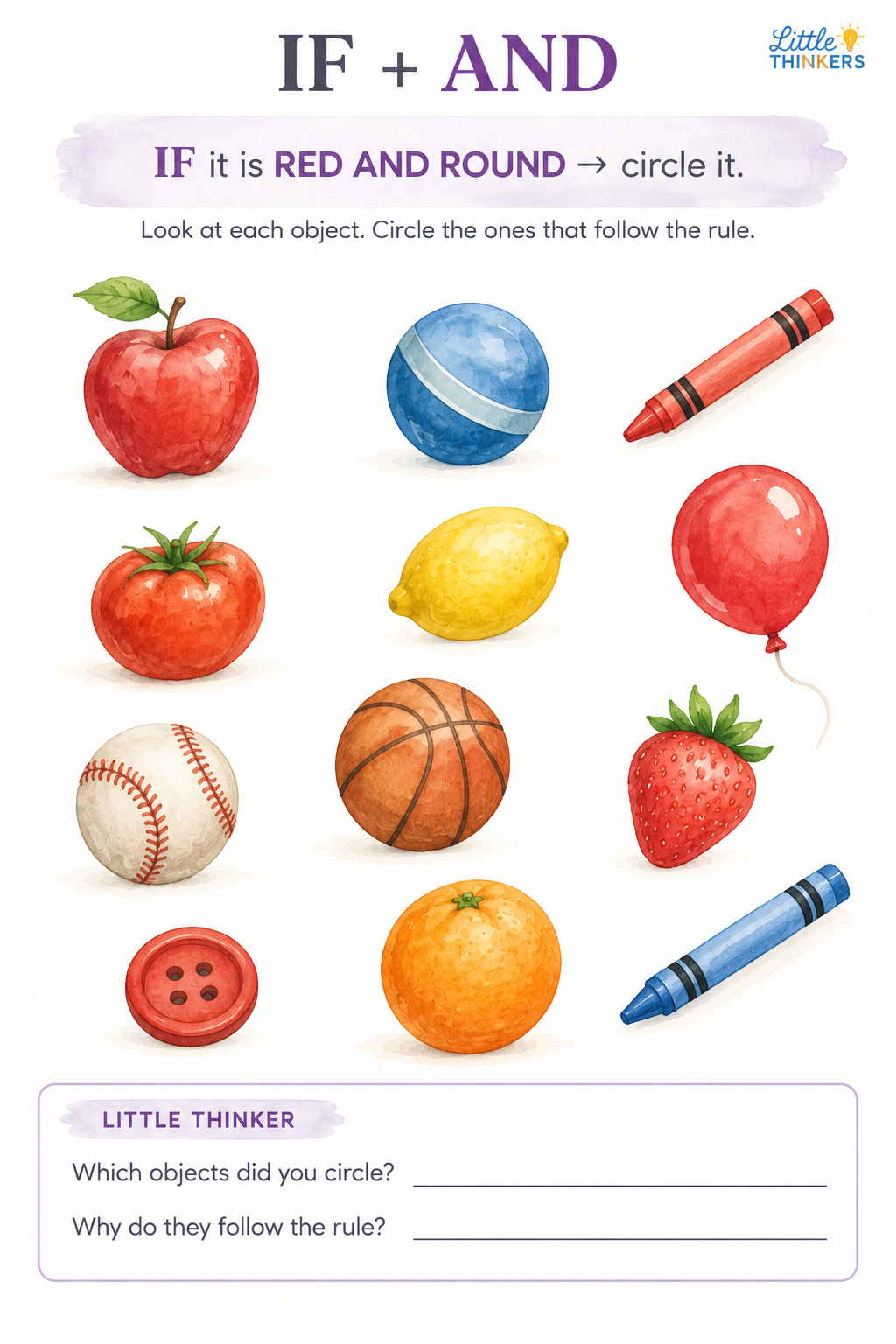
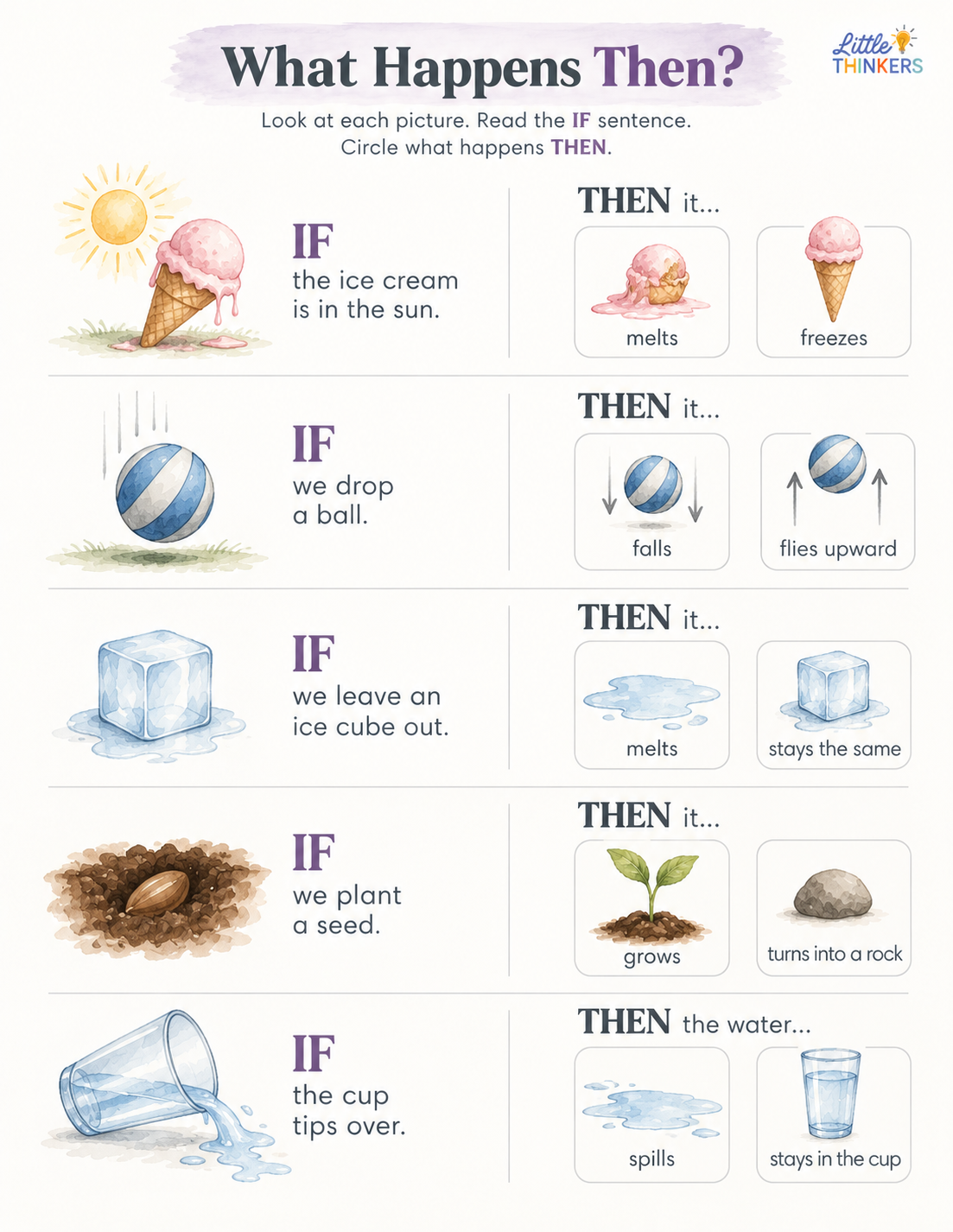
Designed for ages 4–6, this Little Thinkers workbook starts with simple, highly visual activities and gradually introduces deeper reasoning challenges where children must look closely at the information they're given—and avoid assuming things they don't actually know.
Across 15 thoughtfully designed worksheets, children will:
Decide what must, could or can't be true
Use visual clues to solve simple mysteries
Determine when more than one answer is possible
Recognize when there aren't enough clues to know
See how one new clue can completely change an answer
Find information that contradicts the evidence
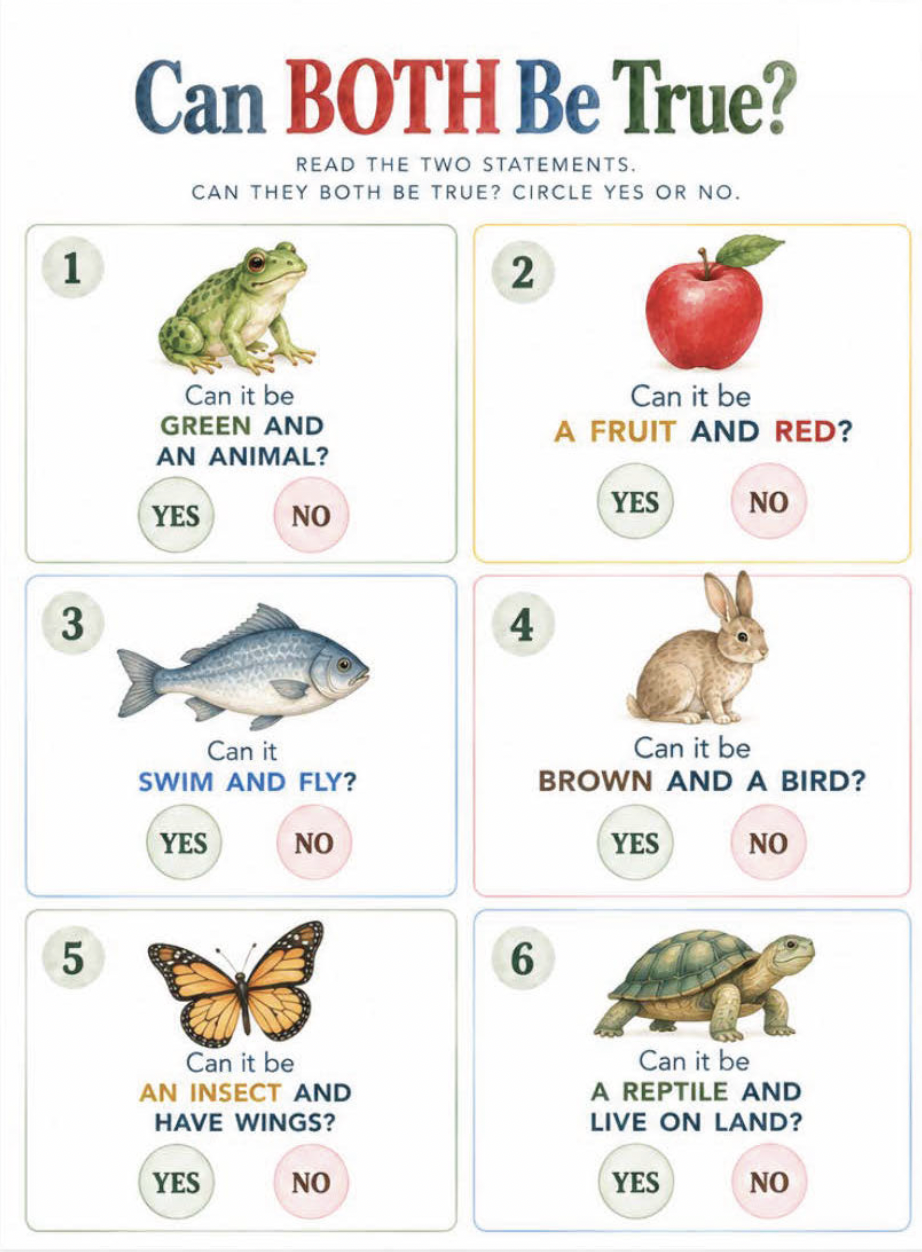
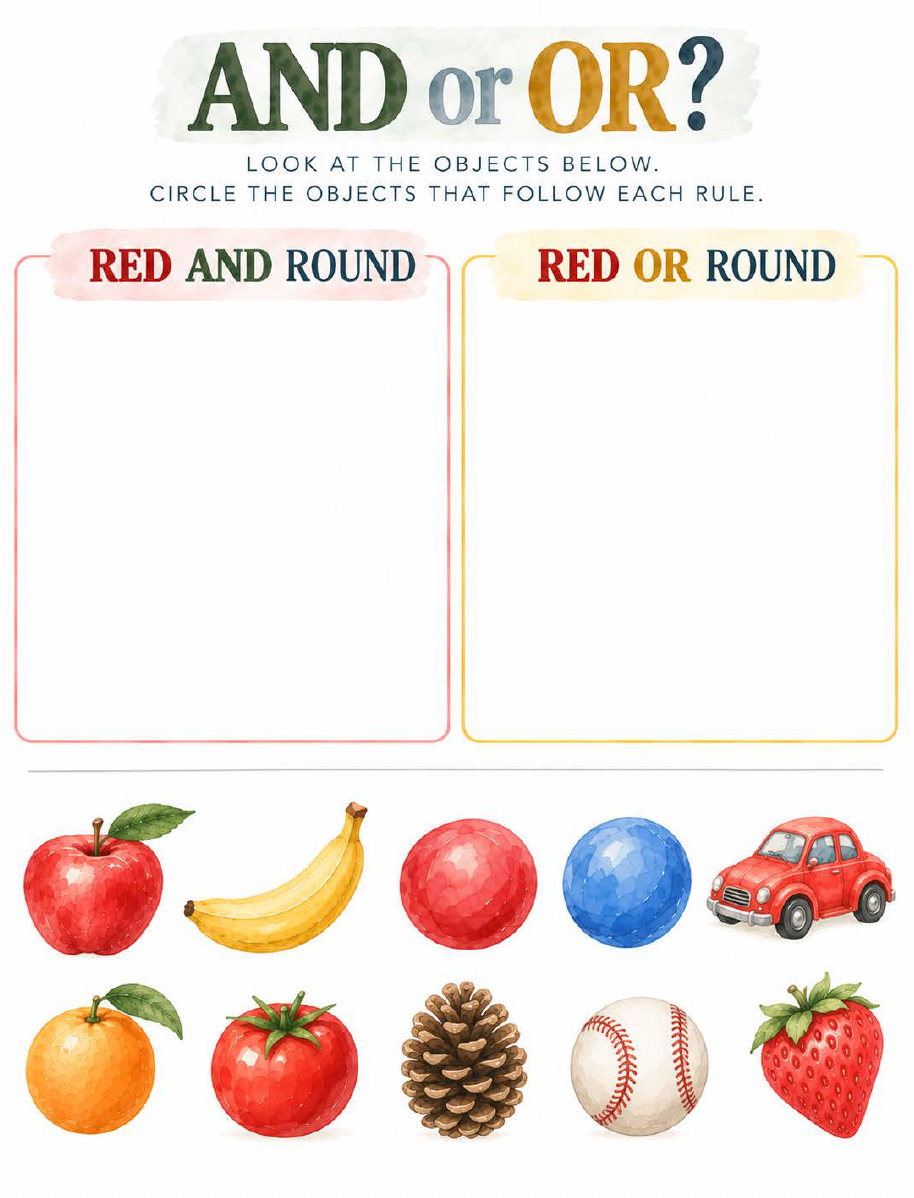
Decide whether two things can be true at once
Separate what they know from what they assume
Identify impossible outcomes
Explain which clue proves their answer
As the workbook progresses, the questions become less about finding the obvious answer and more about asking:
What do I actually know?
What is possible?
What do the clues rule out?
Can I prove my answer?
Because critical thinking isn't only knowing what's true. It's learning to recognize when you don't know yet.
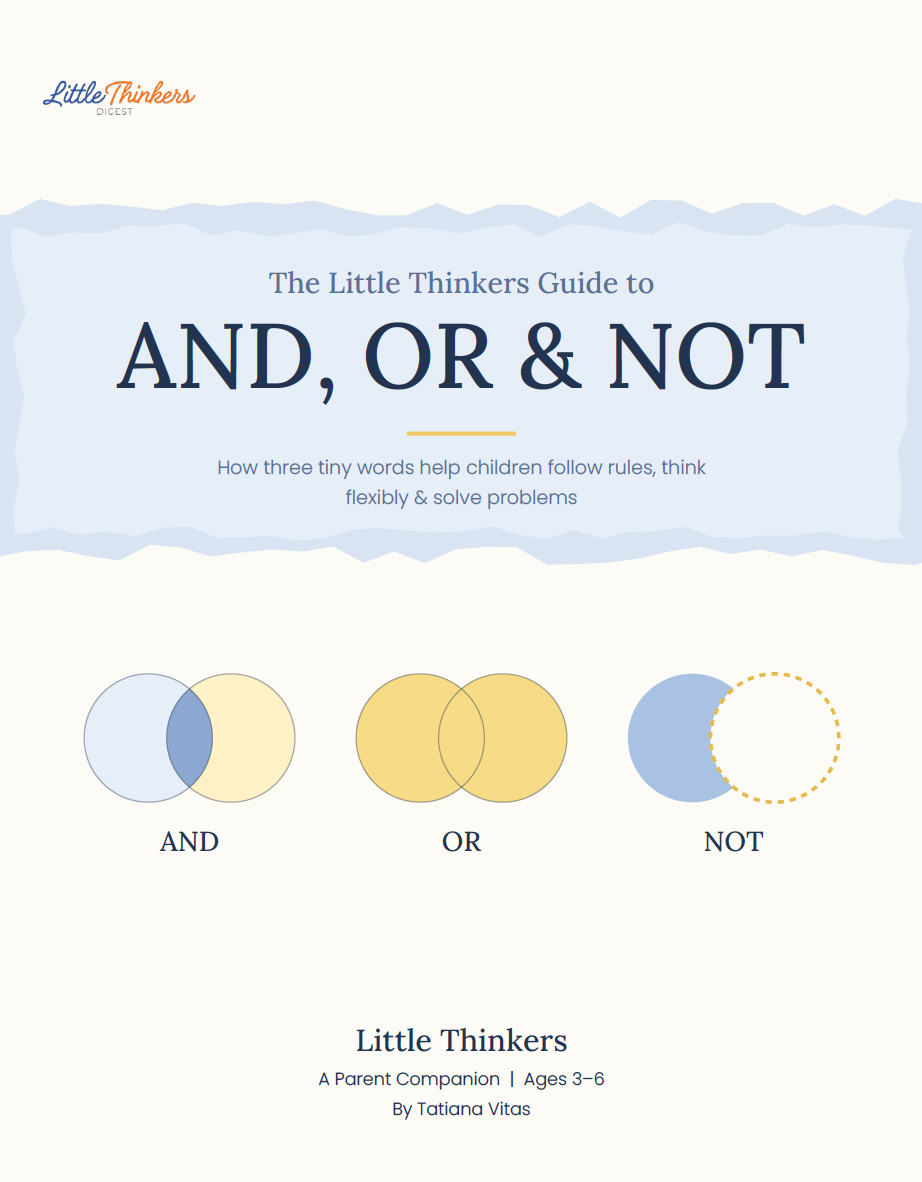
15 Worksheets | Ages 4–6 | Logic + Critical Thinking | Parent Guide Included

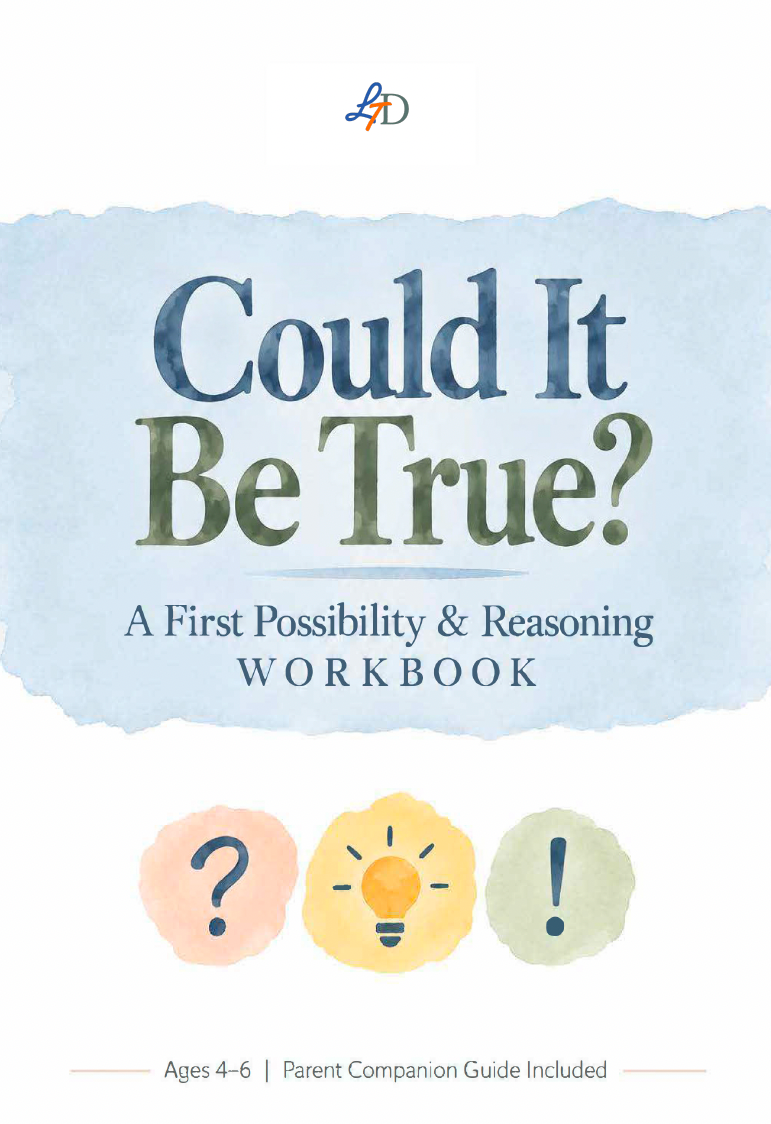 Image 1 of 4
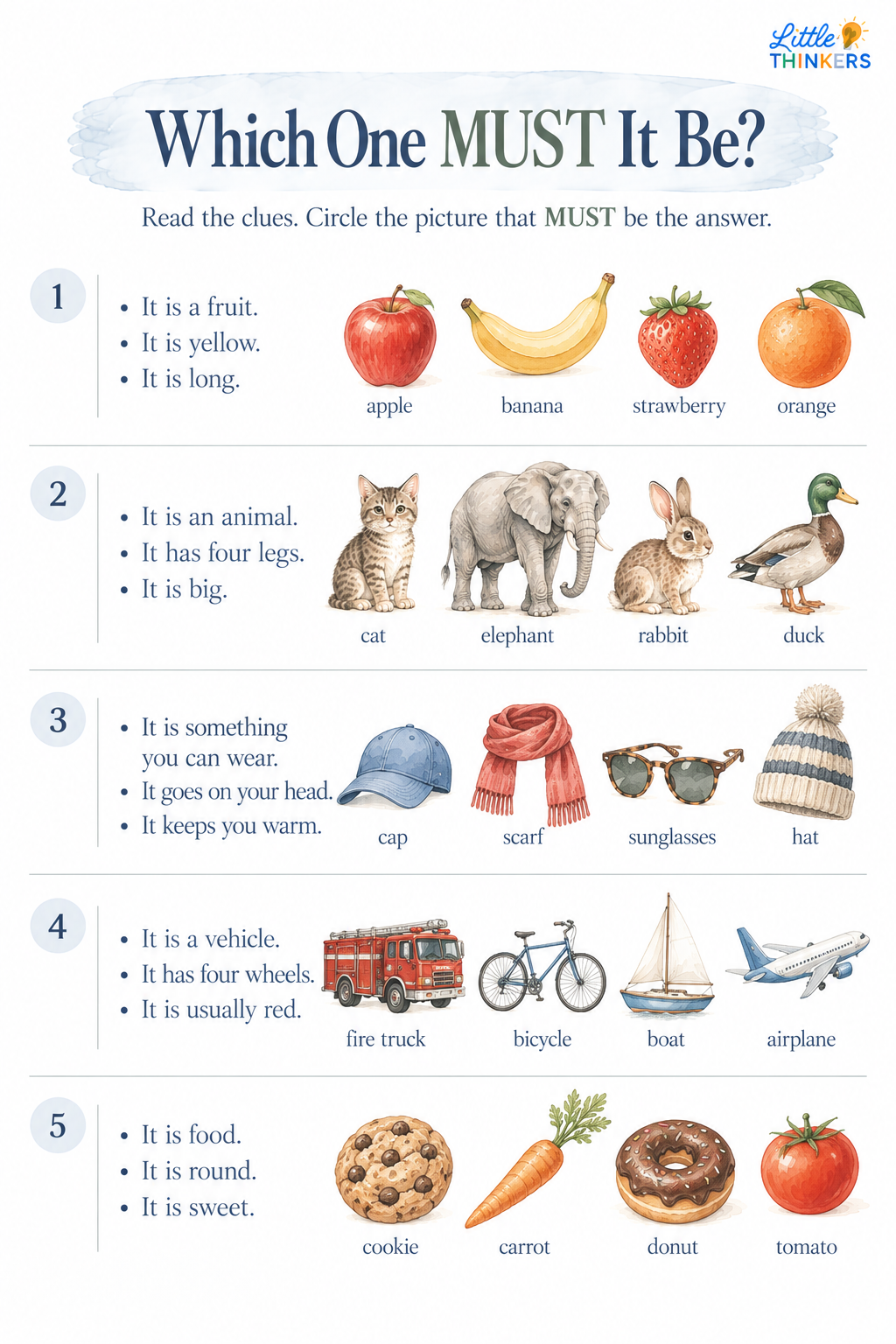 Image 2 of 4
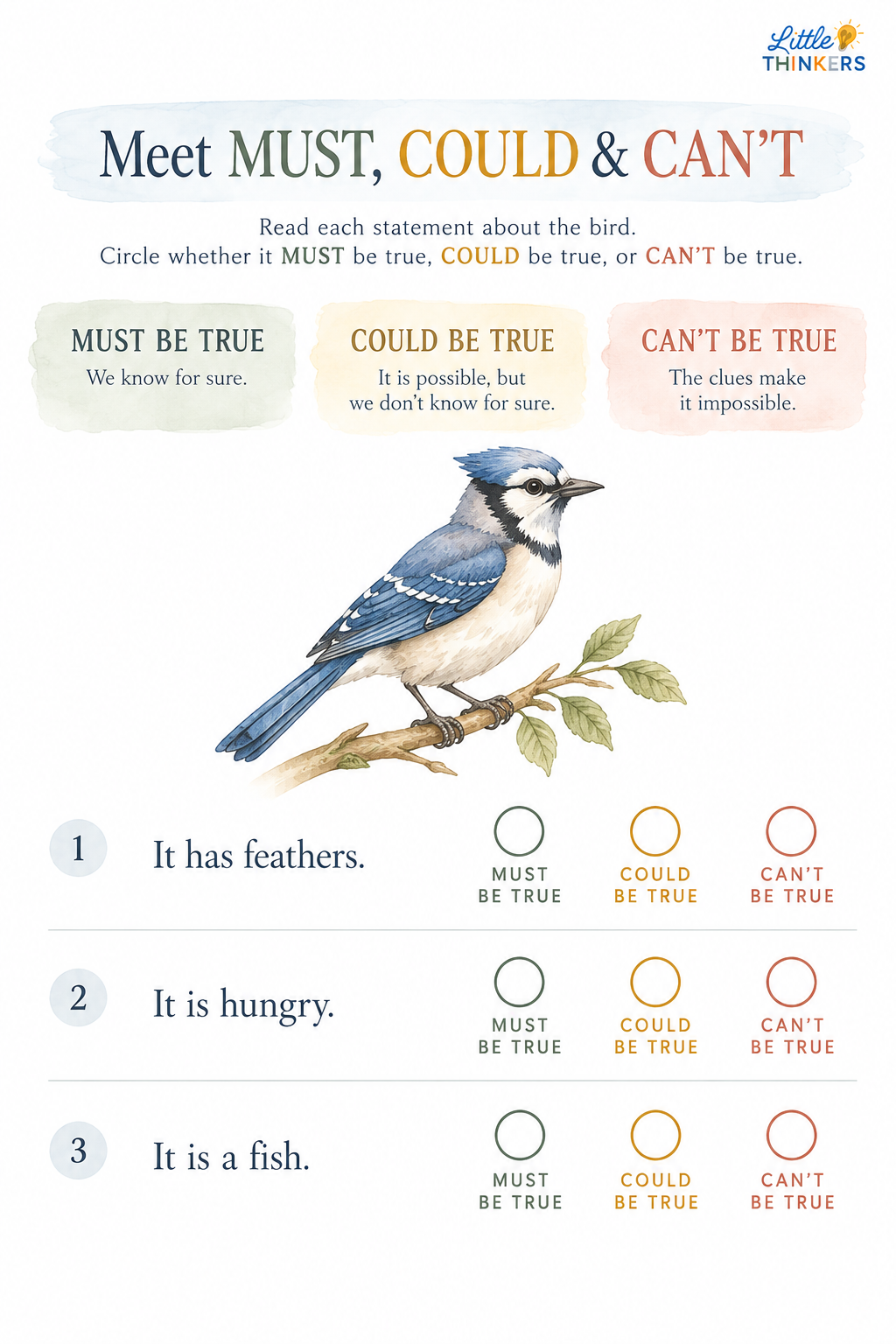 Image 3 of 4
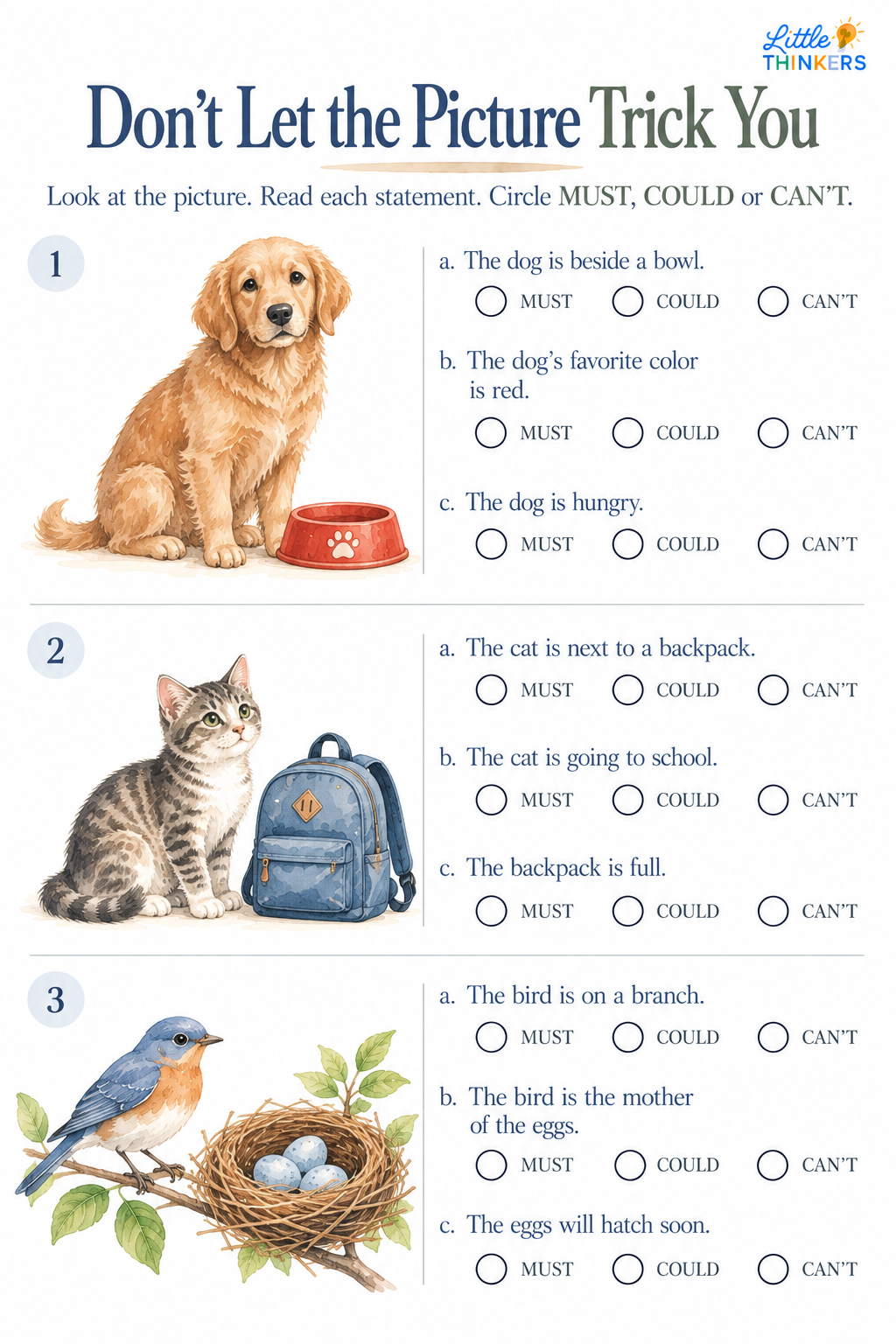 Image 4 of 4