
Were you really ‘lost in the mall’?
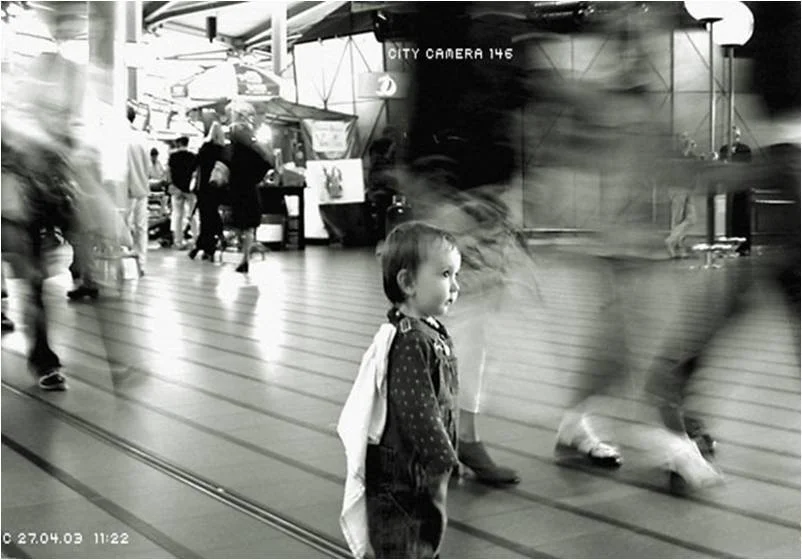
Back in the '90s, Dr. Elizabeth Loftus set out to explore something pretty wild—whether a completely made-up memory could be planted in someone’s mind just through suggestion. She wanted to see if it was possible for people to believe in a memory that never actually happened, without any real-life event to base it on.
In ‘94, she published a groundbreaking study showing that it’s surprisingly easy for someone to “remember” something that never happened when they’re fed false information by an authority figure. Through a series of interviews, she found that suggestion and misinformation could lead people to believe in fictional events.
In her now famous ‘Lost in the Mall’ study, each subject was given summaries of four incidents from their childhood. Three stories were true; one was false. The false story? The participant was told that they had been lost in a mall and that they were eventually found and returned to their parents.
The key here was that participants couldn’t be told one of the stories was fake, because that would ruin the whole point of the experiment. Loftus wanted to see how misinformation could sneak its way into people’s memories, especially in situations like police investigations, where wrongful convictions might happen.
Amazingly, after being interviewed a few times, about 25% of the participants started recalling this made-up mall incident like it really happened, even adding their own little details to the story. Loftus had successfully implanted a false memory.
This experiment had a big impact on how we think about the reliability of memory, especially when it comes to eyewitness accounts or therapy. But, of course, it stirred up some ethical controversy since it involved deceiving participants to get those results.
You can read further about the study here.
