
They need Play in their early years
When it comes to early childhood development, one thing is clear: play isn’t just about fun and games. For toddlers, play is serious business. It’s how they explore the world, understand their emotions, learn new skills, and build the foundations for a lifetime of learning. At Little Thinkers, we understand the magic that happens when children engage in play. So, let’s dive into why play is so important for our little ones.
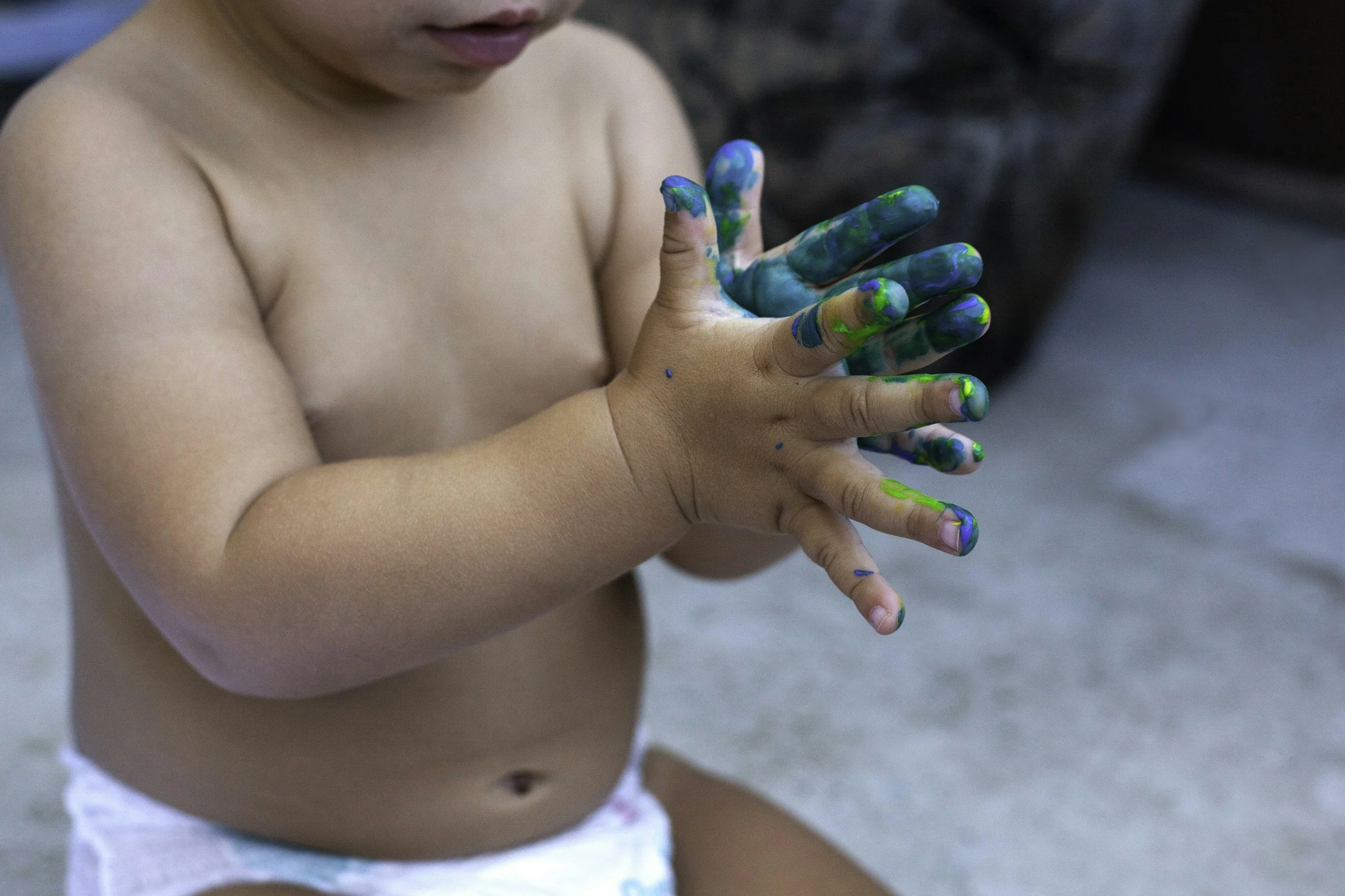
Cognitive Development
Play is essential for boosting brain development. Every time a toddler stacks blocks, solves a puzzle, or role-plays as a superhero, they're working on critical thinking and problem-solving skills. Play encourages curiosity and sparks imagination, which are key ingredients for creativity and cognitive growth.
For example, when your child plays with building toys, they’re not just having fun — they’re learning cause and effect, practicing fine motor skills, and even starting to understand basic math concepts like balance and symmetry.
Social and Emotional Development
Through play, kids learn how to interact with others, share, take turns, and develop empathy. It’s a space where they can express emotions, navigate relationships, and work through feelings. Whether it’s playing with dolls or superheroes with friends, they’re practicing cooperation and teamwork.
Imagine your child hosting a pretend tea party. They're learning about social roles, communication, and empathy as they offer tea to their stuffed animals or friends. This type of play helps kids understand the world from different perspectives and improves their emotional regulation.
Physical Development
Running, jumping, climbing, or even simple tasks like grabbing a ball during play helps toddlers develop their gross and fine motor skills. Active play strengthens muscles, improves coordination, and enhances balance. Plus, it’s a great way to burn off all that toddler energy!
Outdoor play allows children to build physical strength and confidence. Riding a tricycle or playing tag teaches them body coordination while keeping them healthy and active.
Language and Communication Skills
Playtime is a fantastic way for kids to improve their language skills. Whether they're talking to themselves while building a block tower, or chatting with friends during pretend play, they’re constantly practicing communication. This helps boost vocabulary, sentence structure, and storytelling abilities.
When children engage in pretend play, they use language in creative ways, enhancing both their speaking and listening skills. For instance, during dress-up play, they might pretend to be a doctor or a firefighter, using new words and phrases they’ve heard in the world around them.
Independence and Confidence
Play allows children to take risks, make decisions, and learn from their mistakes in a low-stress environment. Whether they're figuring out how to get a toy car over a ramp or solving a simple puzzle, these moments of trial and error are huge confidence boosters.
Every time your child figures out a new way to build with blocks or invents a new game with friends, they’re becoming more independent and confident in their abilities. This sense of autonomy is crucial as they grow and face new challenges.
Play Is More Than Just Fun
Play is the building block of early childhood development. It’s how toddlers make sense of their world, learn critical skills, and prepare for the future. Little Thinkers is passionate about creating products that encourage learning through play, giving your children the tools they need to thrive.
So, the next time you see your little one deep in play, remember—they’re not just playing, they’re growing, learning, and preparing to take on the world!
At Little Thinkers, we believe that playtime is learning time. Explore our range of toddler toys designed to inspire curiosity and development.
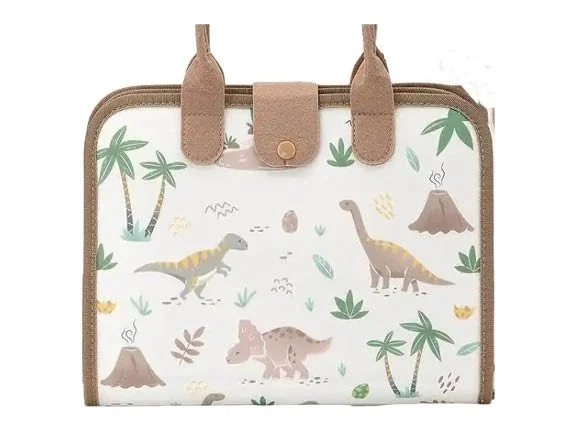
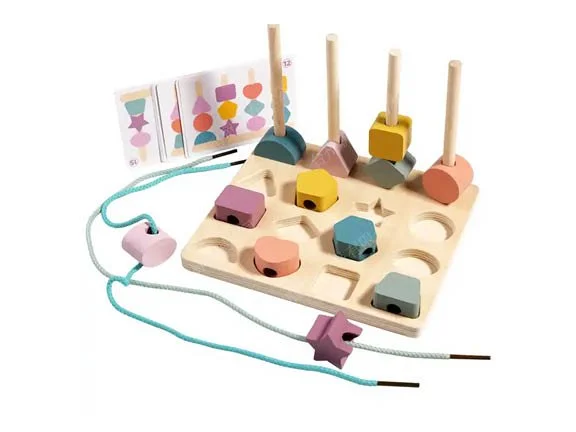
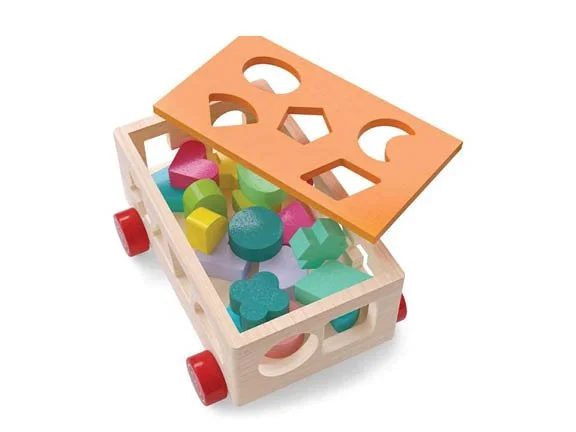

This 6-in-1 board offers a variety of fun and educational activities, including dinosaurs, numbers, shapes, alphabets, drawing, and essential life skills—all in one interactive learning tool.
Featuring a special art page complete with 4 colorful markers and a reusable drawing surface, so your child can get creative again and again. With playful sections showcasing 5 adorable dinosaurs, 10 numbers, 9 shapes, 26 letters, and a dedicated life skills area, this board delivers a well-rounded learning experience that builds creativity and key developmental skills.
Inspired by Montessori principles, it makes learning hands-on and fun. Toddlers and preschoolers will practice practical life skills like dressing, buckling, and tying, while also engaging with letters, numbers, and shapes. The board helps improve fine motor skills, problem-solving, hand-eye coordination, and cognitive growth—all while sparking a love for learning.
No more missing pieces! A convenient zipper pocket keeps all the accessories safe and organized, ensuring everything is ready for the next playtime.
At a portable 11×9 inches, this busy board fits perfectly in diaper bags, making it an excellent travel companion. It's the perfect screen-free solution to keep kids entertained on the go while enhancing their developmental skills.